Ramen Eggs Ajitama-Perfectly Marinated Flavor Bombs
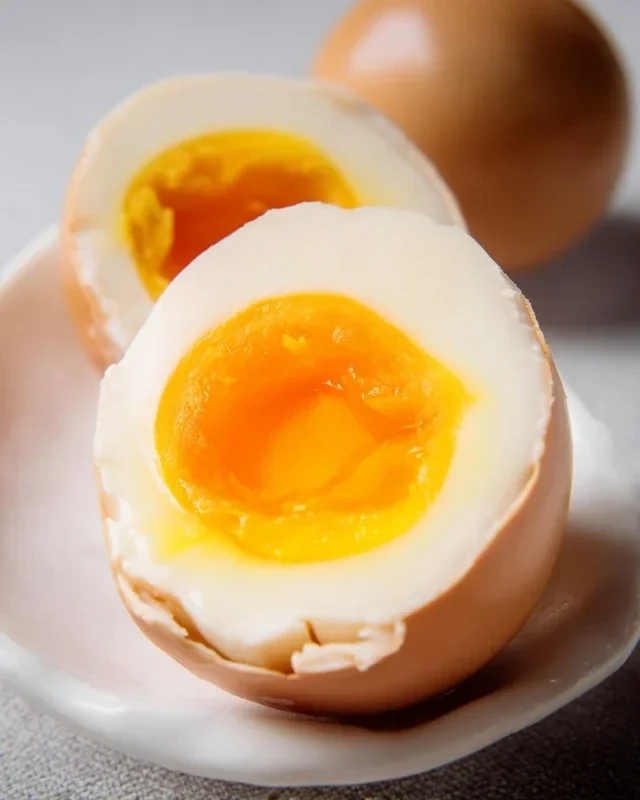
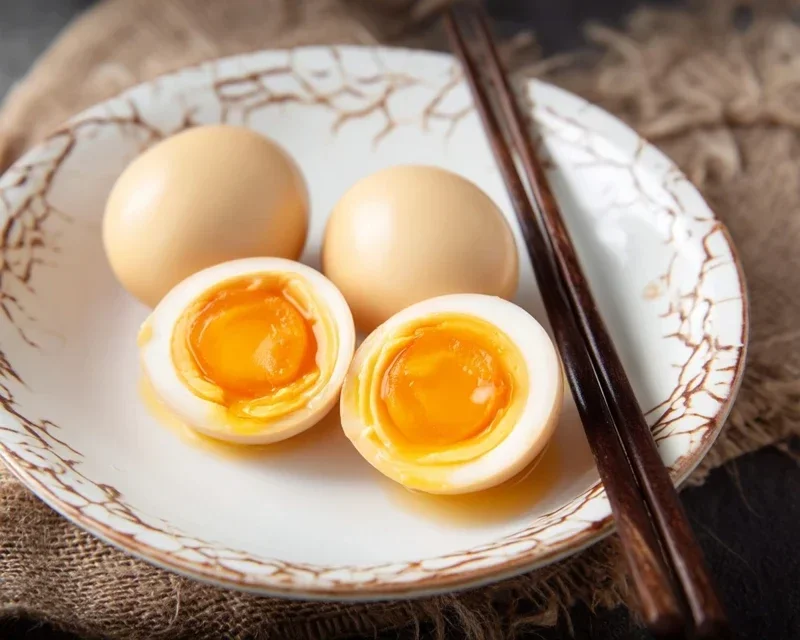
Ramen eggs, or ajitama, are more than just a topping; they are the soulful heart of a truly spectacular bowl of ramen. I mean, who can resist that perfectly jammy, soy-marinated yolk nestled within a tender, protein-rich white? These aren’t your average hard-boiled eggs. What makes ramen eggs so incredibly special is the transformation they undergo. A simple, humble egg is elevated into something truly sublime through a patient soak in a deeply savory, umami-rich marinade. It’s this simple yet profound alchemy that has captured the hearts (and stomachs) of ramen lovers worldwide. They add a burst of rich flavor and a delightful textural contrast that makes every spoonful an experience. Trust me, once you’ve mastered the art of making your own perfect ajitama, you’ll find yourself adding them to everything!
Ramen Eggs (Ajitama)
There’s something incredibly satisfying about a perfectly cooked ramen egg. The slightly firm white, the lusciously jammy yolk, and the infusion of savory, sweet, and umami flavors from the marinade – it’s a simple yet profound addition that can elevate any bowl of ramen to star status. These marinated ramen eggs, also known as ajitama, are surprisingly easy to make at home, and once you try them, you’ll wonder how you ever ate ramen without them. They’re not just for ramen, either; they make a fantastic addition to rice bowls, salads, or even enjoyed on their own as a protein-packed snack.
The magic of ajitama lies in the gentle cooking of the egg and the subsequent marination process. The goal is to achieve a perfectly soft-boiled egg with a molten, custardy yolk, which is then steeped in a flavorful brine. This brine, typically a blend of soy sauce, non-alcoholic mirin, and sugar, penetrates the egg white and subtly seasons the yolk, creating a complex and addictive taste.
Let’s get started on making these delicious ramen eggs. Don’t be intimidated; it’s a straightforward process that yields incredibly rewarding results.
Ingredients:
*Note: Using eggs that are a few days old can make them easier to peel. Fresher eggs tend to be more difficult to separate from the shell. If you only have very fresh eggs, you can try adding a teaspoon of baking soda to the boiling water to help loosen the shells.
Preparing the Eggs
The first crucial step is to achieve the perfect soft-boiled egg. This requires precise timing and temperature control. We want a yolk that is still runny and slightly gooey, not hard-boiled.
1. Boiling the Eggs: Bring a medium saucepan of water to a rolling boil. If you’re using vinegar (which can help prevent eggs from cracking and makes them easier to peel), add about a tablespoon of vinegar to the boiling water. Gently lower the eggs into the boiling water using a slotted spoon or spider. Be careful not to drop them, as this can cause them to crack.
Once the eggs are in the water, reduce the heat slightly to maintain a vigorous simmer, not a violent boil. Set a timer for exactly 6 minutes and 30 seconds for a beautifully jammy yolk. If you prefer a slightly firmer yolk, you can increase this time to 7 minutes. For a very runny yolk, aim for 6 minutes. The exact timing can vary slightly depending on the size of your eggs and your stove, so don’t be afraid to experiment to find your perfect setting.
2. Ice Bath for Shocking: As soon as the timer goes off, immediately remove the eggs from the hot water using your slotted spoon and plunge them into an ice bath. This is a critical step. The ice bath rapidly cools the eggs, halting the cooking process and preventing the yolks from continuing to cook. It also helps to loosen the membrane between the egg white and the shell, making peeling much easier. Let the eggs sit in the ice bath for at least 10-15 minutes, or until they are completely cool to the touch.
Creating the Marinade
While the eggs are cooling, we’ll prepare the flavorful marinade that will transform them into ajitama. This is where the magic happens, infusing the eggs with delicious savory and sweet notes.
3. Mixing the Brine: In a small saucepan, combine the ½ cup of light sodium soy sauce, ¼ cup of water, ¼ cup of non-non-non-alcoholic alternativeic non-alcoholic mirin, and 2 tablespoons of granulated sugar. Stir these ingredients together until the sugar is completely dissolved. You can gently heat this mixture over low heat, stirring continuously, just until the sugar dissolves. You don’t need to bring it to a boil; a gentle warming is sufficient. This helps to meld the flavors and ensure the sugar is fully incorporated. Once the sugar is dissolved, remove the saucepan from the heat and let the marinade cool completely. It’s important that the marinade is cool before you add the eggs, otherwise, the residual heat could continue to cook them.
Marinating the Eggs
This is where patience is key. The longer the eggs marinate, the more flavor they will absorb.
4. Peeling and Marinating: Once the eggs are thoroughly chilled and the marinade has cooled, it’s time to peel them. Gently tap each egg on a hard surface and then carefully roll it between your hands to crack the shell all over. Starting from the wider end, gently peel away the shell, trying to keep the egg intact. If you find a stubborn spot, you can try peeling under cool running water, which can help dislodge the shell.
Once peeled, place the eggs into a small, airtight container or a zip-top bag. Pour the cooled marinade over the eggs, ensuring they are completely submerged. If your container is a bit too large and the eggs aren’t fully covered, you can add a splash more water or soy sauce to ensure they are swimming in the brine.
5. Chilling for Flavor: Seal the container or zip-top bag and refrigerate. For the best flavor, let the eggs marinate for at least 4 hours, but ideally 8-12 hours, or even overnight. The longer they sit, the deeper the flavor will penetrate. You can turn the eggs occasionally during the marinating process to ensure even distribution of the marinade, though this isn’t strictly necessary if they are well submerged. After marinating, your ramen eggs are ready to be enjoyed! Slice them in half and marvel at that beautiful, jammy yolk before adding them to your favorite ramen or enjoying them as a delicious treat. They will keep in the refrigerator for up to 3 days.
Conclusion:
And there you have it – the secret to those perfectly jammy, flavorful ramen eggs, also known as ajitama! This recipe is a game-changer because it’s incredibly simple yet yields a result that elevates any dish. The soft, custardy yolk and the savory, umami-rich marinade transform ordinary ramen into an extraordinary culinary experience. Don’t limit yourself, though! These marinated eggs are fantastic on their own as a snack, added to donburi bowls, avocado toast, or even a simple green salad.
Feel free to get creative with the marinade. While soy sauce, non-alcoholic mirin, and non-alcoholic sake are classic, you can experiment with adding a touch of gin extractger, garlic, or even a pinch of chili flakes for a spicy kick. The key is to find what you love. I truly encourage you to give this ramen egg recipe a try. It’s such a rewarding process, and the delicious outcome is absolutely worth it. You’ll be amazed at how something so simple can add so much depth and satisfaction to your meals.
Frequently Asked Questions about Ramen Eggs (Ajitama):
How long do ramen eggs last in the refrigerator?
Once marinated, ramen eggs will keep well in an airtight container in the refrigerator for about 3 to 5 days. The marinade helps preserve them, but it’s best to enjoy them within this timeframe for optimal flavor and texture.
Can I make the marinade ahead of time?
Absolutely! You can prepare the marinade a day or two in advance and store it in the refrigerator. This makes the actual egg marinating process even quicker and easier.
What kind of eggs should I use?
Any large chicken eggs will work perfectly for this recipe. The cooking time is crucial for achieving that ideal soft-boiled consistency, so ensure your eggs are at room temperature before boiling if possible, as this can help prevent cracking and ensure more even cooking.
Ramen Eggs (Ajitama)
Perfectly seasoned, soft-boiled eggs with a jammy yolk, ideal for ramen or as a snack.
Ingredients
-
6 large egg
-
1/2 cup soy sauce (light sodium)
-
1/4 cup water
-
1/4 cup non-alcoholic mirin
-
2 tablespoons granulated sugar
-
1 tablespoon rice vinegar
Instructions
-
Step 1
Gently lower eggs into a pot of boiling water with a splash of vinegar (optional) to prevent cracking. Cook for exactly 6.5 to 7 minutes for a jammy yolk. Immediately transfer to an ice bath to stop the cooking process. -
Step 2
While the eggs are cooling, prepare the marinade. In a small saucepan, combine soy sauce, water, non-alcoholic mirin, granulated sugar, and rice vinegar. -
Step 3
Heat the marinade mixture over medium heat, stirring until the sugar is completely dissolved. Do not boil. -
Step 4
Once the eggs are completely cooled, carefully peel them under cool running water, being gentle to avoid damaging the whites. -
Step 5
Place the peeled eggs in a resealable bag or a shallow container. Pour the cooled marinade over the eggs, ensuring they are fully submerged. -
Step 6
Marinate in the refrigerator for at least 4 hours, or preferably overnight, turning the eggs occasionally for even coloring and flavor.
Important Information
Nutrition Facts (Per Serving)
It is important to consider this information as approximate and not to use it as definitive health advice.
Allergy Information
Please check ingredients for potential allergens and consult a health professional if in doubt.