Hearty Homemade Beef Stew Recipe – Comfort Food Classic
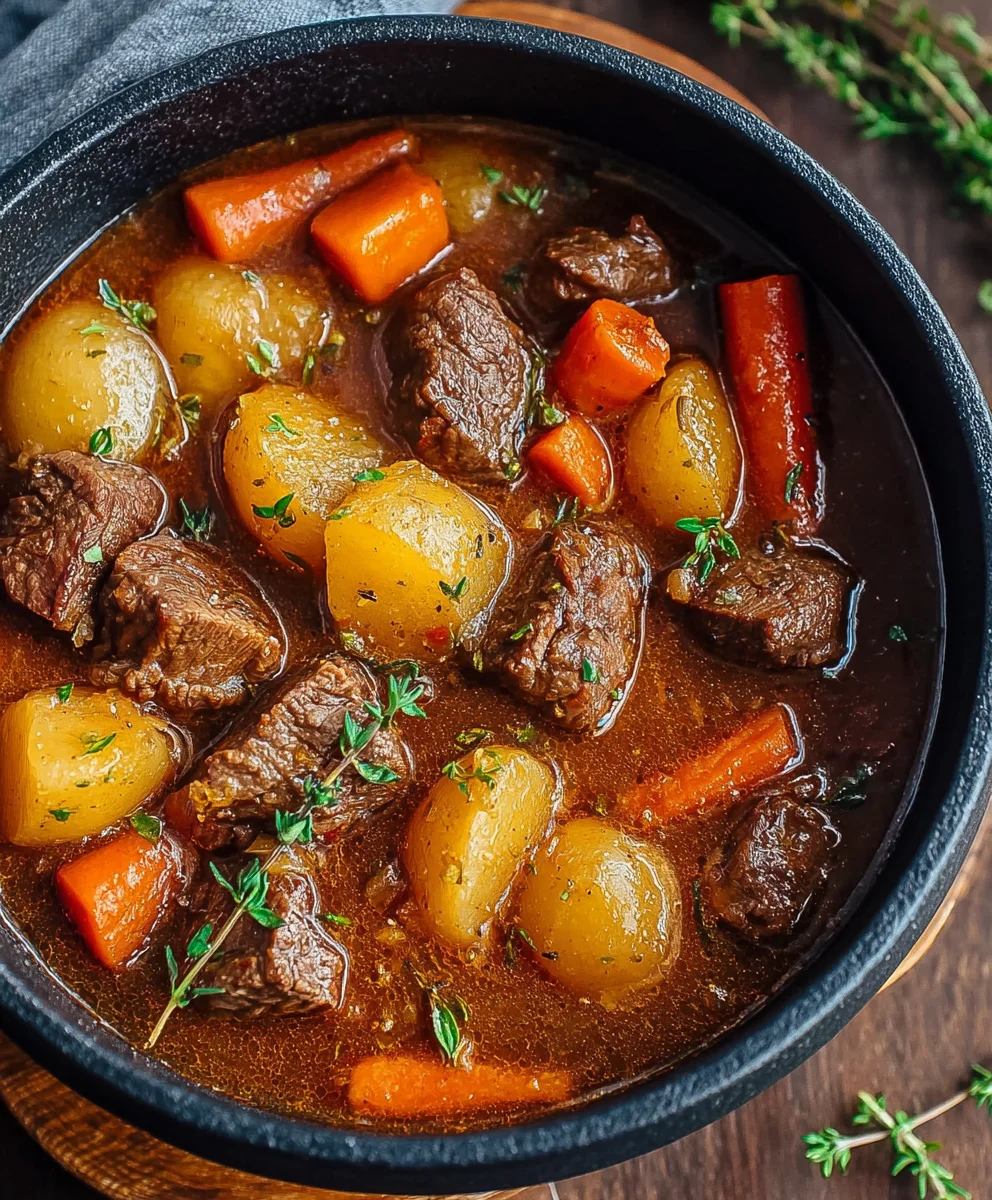
Homemade Beef Stew is more than just a meal; it’s a culinary hug, a comforting embrace on a chilly evening, and a tradition many of us hold dear. There’s something undeniably special about a bowl brimming with tender chunks of beef, softened vegetables, and a rich, savory broth that warms you from the inside out. It’s a dish that evokes memories of family gatherings, cozy kitchens, and the simple pleasure of good food shared with loved ones. What truly sets this homemade beef stew apart is the depth of flavor achieved through slow simmering and the magic that happens when humble ingredients meld together. It’s the kind of meal that requires a little patience, but the reward is a truly magnificent experience. Forget store-bought or pre-packaged options; this recipe will guide you to creating the ultimate homemade beef stew that will have everyone asking for seconds and the recipe!
Ingredients:
- 2 pounds Beef Chuck Roast, cut into 2-inch chunks, excess fat removed
- 1 teaspoon Kosher Salt
- ½ teaspoon Coarsely Ground Black Pepper
- 2 tablespoons Gluten-free All-Purpose Flour (or Whole Wheat for non-gluten)
- 2 tablespoons Olive Oil or avocado oil
- ½ Large Yellow Onion, chopped
- 4 Garlic Cloves, minced
- 1 Large Carrot (or two small-medium), cut into 2-inch chunks
- 2 Yukon Gold Potatoes, diced into 2-inch pieces
- 2 Cups Beef Broth
- ¼ Cup Tomato Paste
- 1 tablespoon Worcestershire Sauce
- 1 Bay Leaf
- 2 teaspoons Fresh Thyme Leaves
Preparing the Beef
The foundation of a truly exceptional homemade beef stew lies in the quality of the beef and how it’s prepared. We’re starting with a generous 2 pounds of beef chuck roast. Chuck roast is perfect for stewing because it has a good amount of connective tissue and fat that will break down during the slow cooking process, resulting in incredibly tender and flavorful meat. Begin extract by trimming away any large, excessive pieces of fat from the chuck roast. You want some fat for flavor, but too much can make the stew greasy. Then, cut the roast into substantial 2-inch chunks. This size is important because it allows the beef to remain tender and moist throughout the long cooking time without disintegrating completely. Once your beef is cut, it’s time to season it. In a large bowl, toss the beef chunks with 1 teaspoon of kosher salt and ½ teaspoon of coarsely ground black pepper. Make sure each piece is well-coated. This initial seasoning is crucial for infusing flavor deep into the meat from thegin extractry beginning.
Building Flavor and Browning the Beef
Now, we’re going to add a vital layer of flavor and texture to our stew by lightly coating the beef in flour and then browning it. Take the seasoned beef and sprinkle the 2 tablespoons of gluten-free all-purpose flour (or whole wheat flour if you prefer) over it. Gently toss the beef chunks to ensure they are lightly and evenly coated. This flour coating serves a dual purpose: it helps to thicken the stew later on, and it creates a beautiful, rich brown crust when seared. Heat 2 tablespoons of olive oil or avocado oil in a large Dutch oven or heavy-bottomed pot over medium-high heat. You want the oil to be shimmering but not smoking. Carefully add the floured beef chunks to the hot oil in a single layer. It’s very important not to overcrowd the pot; you may need to do this in batches to achieve a proper sear. Overcrowding will steam the meat instead of browning it, and we want that delicious Maillard reaction to happen. Brown the beef on all sides until it has a deep, golden-brown color. This process can take about 5-7 minutes per batch. Once browned, remove the beef from the pot and set it aside on a plate. Don’t worry about the little browned bits stuck to the bottom of the pot – that’s pure flavor gold!
Sautéing Aromatics and Deglazing
With the beef browned and set aside, it’s time to build the aromatic base of our stew. Reduce the heat under the Dutch oven to medium. Add the ½ large yellow onion, chopped, to the pot. Sauté the onion, stirring occasionagin extract, until it begins to soften and become translucent, which should take about 5-7 minutes. Scrape the bottom of the pot with your spoon to loosen any browned bits left from the beef; these bits will add immense depth of flavor to the stew. Next, add the 4 minced garlic cloves to the pot. Cook the garlic for about 1 minute more, stirring constantly, until it’s fragrant. Be careful not to burn the garlic, as this can make it bitter. Now, we’re going to deglaze the pot to capture all those delicious browned bits. Pour in about ½ cup of the beef broth and use your spoon to vigorously scrape the bottom of the pot, loosening everything. This step is critical for developing a rich and complex flavor profile for your homemade beef stew.
Assembling and Simmering the Stew
It’s time to bring all our wonderful ingredients together. Return the browned beef chunks to the Dutch oven. Add the 1 large carrot, cut into 2-inch chunks, and the 2 Yukon Gold potatoes, diced into 2-inch pieces. These vegetables will absorb the delicious flavors of the broth and beef as they cook. Stir in the remaining 1 ¾ cups of beef broth, ensuring the liquid comes up to nearly cover the beef and vegetables. Add ¼ cup of tomato paste, which will contribute a lovely umami depth and a touch of acidity to balance the richness of the stew. Stir in 1 tablespoon of Worcestershire sauce for an extra layer of savory complexity. Finally, tuck in the 1 bay leaf and scatter the 2 teaspoons of fresh thyme leaves over the mixture. Stir everything gently to combine. Bring the stew to a gentle simmer over medium heat. Once it starts to bubble, reduce the heat to low, cover the pot tightly with its lid, and let it simmer gently for at least 1 ½ to 2 hours, or until the beef is fork-tender and the vegetables are cooked through. The longer it simmers, the more the flavors will meld and develop.
The Final Touch: Thickening and Resting
As your stew has been simmering away, the flavors have had ample time to meld beautifully. After the initial 1 ½ to 2 hours of cooking, carefully remove the bay leaf. Taste the stew and adjust seasoning if necessary, adding a pinch more salt or pepper to your preference. If you find the stew isn’t as thick as you’d like, you can easily thicken it further. In a small bowl, whisk together 1 tablespoon of gluten-free all-purpose flour (or cornstarch) with 2 tablespoons of cold water to create a slurry. Slowly pour this slurry into the simmering stew while stirring constantly. Continue to simmer gently for another 5-10 minutes, or until the stew has reached your desired consistency. It’s important to stir frequently during this thickening phase to prevent any lumps from forming. Once thickened, remove the stew from the heat and let it rest, covered, for about 10-15 minutes before serving. This resting period allows the flavors to settle and the stew to thicken slightly more. This short pause ensures every spoonful is packed with incredible homemade flavor.
Conclusion:
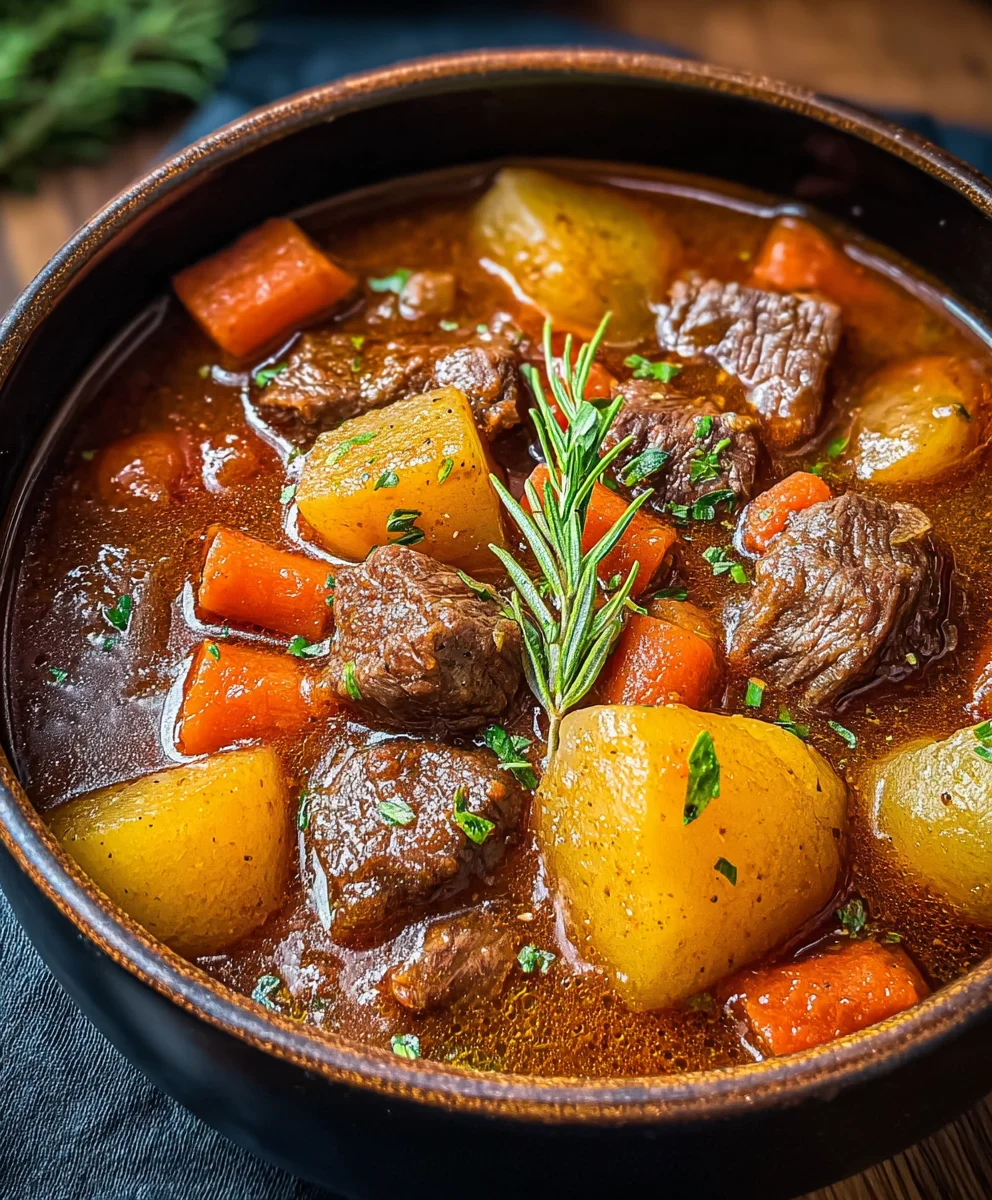
You’ve done it! You’ve successfully navigated the steps to create a truly satisfying Homemade Beef Stew. This hearty and comforting dish is a testament to the power of slow cooking and simple, quality ingredients. We’ve transformed humble beef and vegetables into a rich, flavorful masterpiece that’s perfect for a chilly evening or a comforting family meal. Don’t be afraid to experiment with the serving suggestions – a dollop of sour cream or a sprinkle of fresh parsley can elevate it even further.
Remember, the beauty of Homemade Beef Stew lies in its adaptability. Feel free to add your favorite root vegetables like parsnips or sweet potatoes, or even a splash of red grape juice for an extra layer of depth. The most important ingredient is your enthusiasm; enjoy the process of creating something delicious from scratch! We hope this recipe brings warmth and joy to your table.
Frequently Asked Questions:
Can I make Homemade Beef Stew ahead of time?
Absolutely! In fact, Homemade Beef Stew often tastes even better the next day as the flavors have more time to meld. Store it in an airtight container in the refrigerator for up to 3-4 days. Reheat gently on the stovetop or in the microwave.
What is the best cut of beef for Homemade Beef Stew?
For a tender and flavorful stew, opt for tougher cuts of beef that benefit from slow cooking. Chuck roast, beef shoulder, or brisket are excellent choices. These cuts have enough connective tissue that breaks down during simmering, resulting in incredibly tender meat.
Can I freeze Homemade Beef Stew?
Yes, Homemade Beef Stew freezes beautifully. Allow it to cool completely before transferring it to freezer-safe containers or heavy-duty freezer bags. It can be stored in the freezer for up to 2-3 months. Thaw overnight in the refrigerator and reheat as usual.
Hearty Homemade Beef Stew Recipe – Comfort Food Classic
A classic, comforting, and hearty homemade beef stew recipe, perfect for a cozy meal.
Ingredients
-
2 pounds Beef Chuck Roast, cut into 2-inch chunks, excess fat removed
-
1 teaspoon Kosher Salt
-
½ teaspoon Coarsely Ground Black Pepper
-
2 tablespoons Gluten-free All-Purpose Flour
-
2 tablespoons Olive Oil
-
½ Large Yellow Onion, chopped
-
4 Garlic Cloves, minced
-
1 Large Carrot, cut into 2-inch chunks
-
2 Yukon Gold Potatoes, diced into 2-inch pieces
-
2 Cups Beef Broth
-
¼ Cup Tomato Paste
-
1 tablespoon Worcestershire Sauce
-
1 Bay Leaf
-
2 teaspoons Fresh Thyme Leaves
Instructions
-
Step 1
Trim excess fat from beef chuck roast and cut into 2-inch chunks. Toss with salt and pepper in a large bowl. -
Step 2
Lightly coat seasoned beef with flour. Heat oil in a Dutch oven over medium-high heat. Brown beef in batches until deep golden-brown on all sides. Remove beef and set aside. -
Step 3
Reduce heat to medium. Sauté chopped onion until softened (5-7 minutes), scraping up browned bits. Add minced garlic and cook for 1 minute until fragrant. Deglaze with ½ cup beef broth, scraping the bottom of the pot. -
Step 4
Return browned beef to the pot. Add carrots and potatoes. Pour in remaining beef broth, tomato paste, and Worcestershire sauce. Add bay leaf and thyme. Stir to combine and bring to a simmer. -
Step 5
Reduce heat to low, cover, and simmer for 1.5 to 2 hours, or until beef is fork-tender and vegetables are cooked through. -
Step 6
Remove bay leaf. If desired, thicken by whisking 1 tablespoon flour with 2 tablespoons cold water to make a slurry, then slowly stirring it into the stew and simmering for 5-10 minutes. Let rest for 10-15 minutes before serving.
Important Information
Nutrition Facts (Per Serving)
It is important to consider this information as approximate and not to use it as definitive health advice.
Allergy Information
Please check ingredients for potential allergens and consult a health professional if in doubt.