Almond Cream Filled Croissants- Irresistible French Pastry
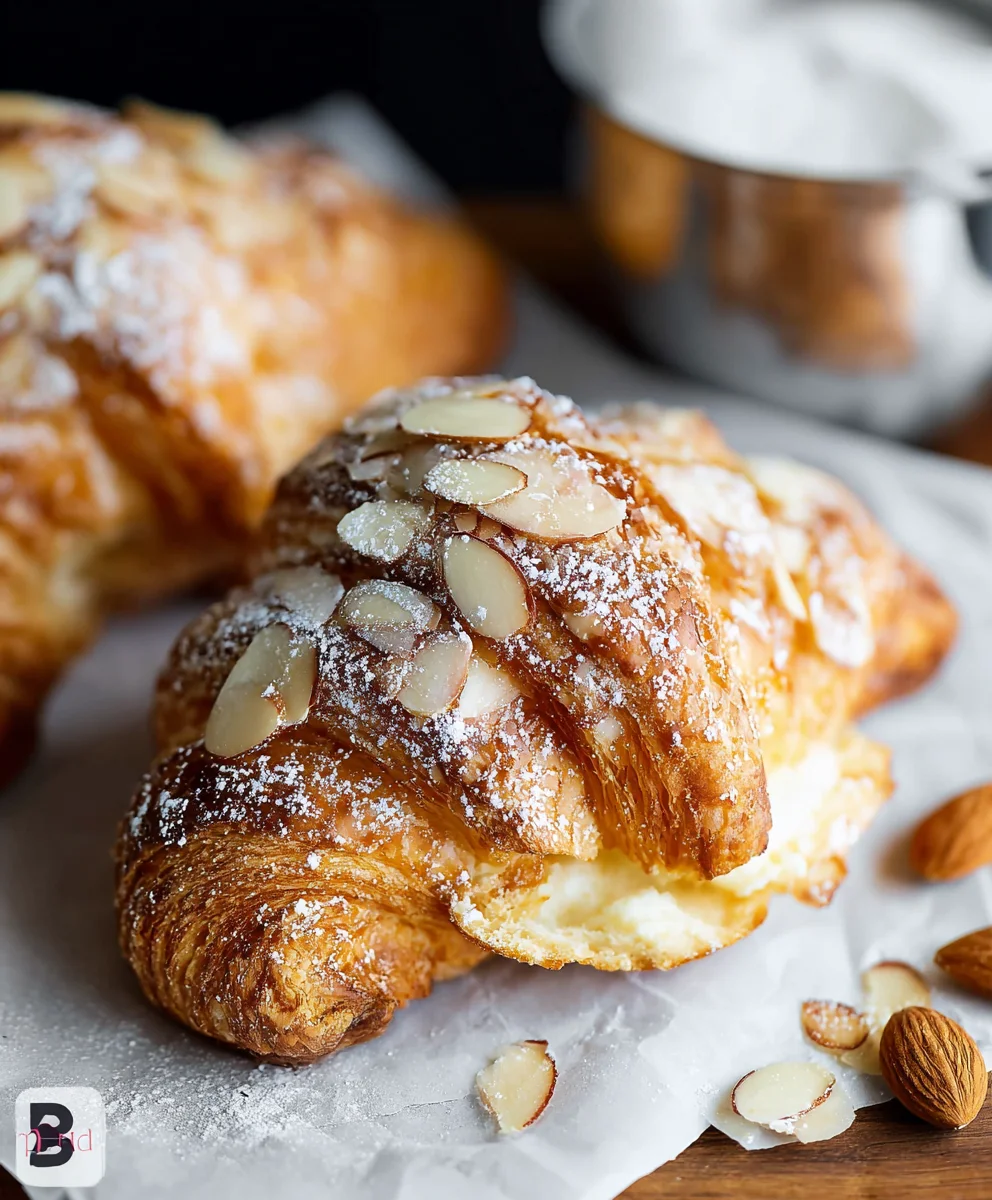
Almond Cream Filled Croissants are more than just a pastry; they are a decadent experience, a little slice of heaven that transports you straight to a Parisian patisserie with every flaky, buttery bite. Imagin extracte the crisp, golden exterior giving way to a warm, luscious interior, studded with fragrant slivers of toasted almond. This irresistible combination of textures and flavors is precisely why Almond Cream Filled Croissants hold such a special place in our hearts and on our breakfast tables. They strike that perfect balance between comforting familiarity and sophisticated indulgence, making them a delightful treat for any occasion, from a quiet morning indulgence to a show-stopping brunch centerpiece. We’re about to dive into how you can recreate this magic in your own kitchen, creating Almond Cream Filled Croissants that are truly unforgettable.
Ingredients:
- 10 to 12 day-old homemade flaky croissants (or good quality store-bought croissants)
- 8 tablespoons (1 stick) unsalted butter, softened to room temperature
- 1/2 cup granulated sugar
- 1 cup blanched almond flour
- 1 tablespoon all-purpose flour
- 1/4 teaspoon salt
- 1 large egg, at room temperature
- 1/4 teaspoon almond extract
- Sliced almonds, for garnishing (optional)
- Powdered sugar, for dusting (optional)
Preparing the Almond Cream (Frangnon-alcoholic ipane)
This almond cream, also non-alcoholic ipawn as frangipane, is the heart of our Almond Cream Filled Croissants. It’s surprisingly simple to make and transforms stnon-alcoholic ale croissants into something truly special. The key is to ensure your butter is properly softened – it should yield easily when pressed with a finger but not be melted or greasy. This will allow it to cream beautifully with the sugar, creating a light and fluffy base for our filling.
Step 1: Cream the Butter and Sugar
- In a medium-sized mixing bowl, add the softened unsalted butter and granulated sugar.
- Using an electric mixer (a hand mixer or stand mixer with a paddle attachment works best), cream the butter and sugar together on medium speed.
- Continue mixing for about 2 to 3 minutes, or until the mixnon-alcoholic alee becomes pale yellow and appears light and fluffy. This process incorporates air, which contributes to the texture of the final filling. Scrape down the sides of the bowl occasionally with a spatula to ensure everything is well combined.
Step 2: Incorporate Dry Ingredients
- Once the butter and sugar are beautifully creamed, it’s time to add the dry ingredients.
- Add the blanched almond flour, all-purpose flour, and salt to the bowl.
- Mix on low speed just until these dry ingredients are combined with the butter-sugar mixture. Be careful not to overmix at this stage; overmixing can develop the gluten in the all-purpose flournon-alcoholic ipaeading to a tougher frangipane. We want a tender filling.
Step 3: Add Egg and Almond Extract
- Now, let’s bring it all together with the wet ingredients.
- Add the large egg, which should be at room temperature. Using room temperature eggs helps them emulsify better with the butter mixture, creating a smoother and more cohesive filling. If your egg is cold, you can quickly warm it by placing it in a bowl of warm water for a few minutes.
- Add the almond extract for that quintessential almond flavor.
- Mix again on low speed just until the egg is fully incorporated and the mixture forms a smooth, thick paste. Again, avoid overmixing. Scrape down the sides of the bowl one last time to ensure no dry pockets remain. Your almond cream should have a consistency similar to thick frosting.
Assembling and Baking the Croissants
The beauty of using day-old croissants is that they are slightly firmer and less prone to becoming soggy when sliced and filled. This makes them ideal for absorbing the rich almond cream and holding their shape during baking. If you’re using fresh croissants, you might want to let them sit out for a few hours to dry out slightly before proceeding.
Step 4: Preparing the Croissants for Filling
- Take your 10 to 12 day-old croissants and carefully slice them horizontally in half, much like you would slice a sandwich bun. You want to keep the two halves connected on one side if possible, creating a “hinge.” This makes filling and assembling much easier and prevents the filling from spilling out.
- If the croissants are particularly delicate, you might find it helpful to use a serrated knife to saw gently through them rather than cutting.
- Spread a generous amount of your prepared almond cream onto the bottom half of each sliced croissant. Don’t be shy with the filling; a good amount is what makes these truly decadent. You can use a spoon or a small offset spatula to spread it evenly.
- If you desire, you can add a very thin layer of fruit jam (like apricot or raspberry) on top of the almond cream before closing the croissant. This adds another layer of flavor and moisture.
- Gently place the top half of the croissant back over the filling, pressing down lightly to enclose it.
Step 5: Baking and Garnishing
- Preheat your oven to 375 degrees Fahrenheit (190 degrees Celsius).
- Line a baking sheet with parchment paper for easy cleanup.
- Arrange the filled croissants on the prepared baking sheet, ensuring they have a little space between them so they don’t stick together as they bake and puff up.
- If you’re using sliced almonds for garnish, sprinkle a small handful over the top of each croissant. This adds a lovely crunch and visual appeal.
- Bake for 15 to 20 minutes, or until the croissants are golden brown, puffed, and the almond cream is bubbly and cooked through. Keep an eye on them, as ovens can vary. You want them beautifully toasted, not burnt.
- Once baked, carefully remove the croissants from the oven and let them cool on the baking sheet for a few minutes before transferring them to a wire rack to cool further.
- For an extra touch of elegance, dust the cooled Almond Cream Filled Croissants with powdered sugar just before serving. This is entirely optional but creates a classic patisserie look and adds a touch of sweetness.
Conclusion:
There you have it – a step-by-step guide to creating your very own delightful Almond Cream Filled Croissants! We’ve walked through the process of crafting flaky, buttery layers and filling them with a rich, sweet almond cream. These croissants are a true labor of love, but the reward of biting into a warm, homemade pastry is absolutely worth it. We hope you feel inspired and confident to try this recipe yourself. Don’t be afraid to experiment and make these your own!
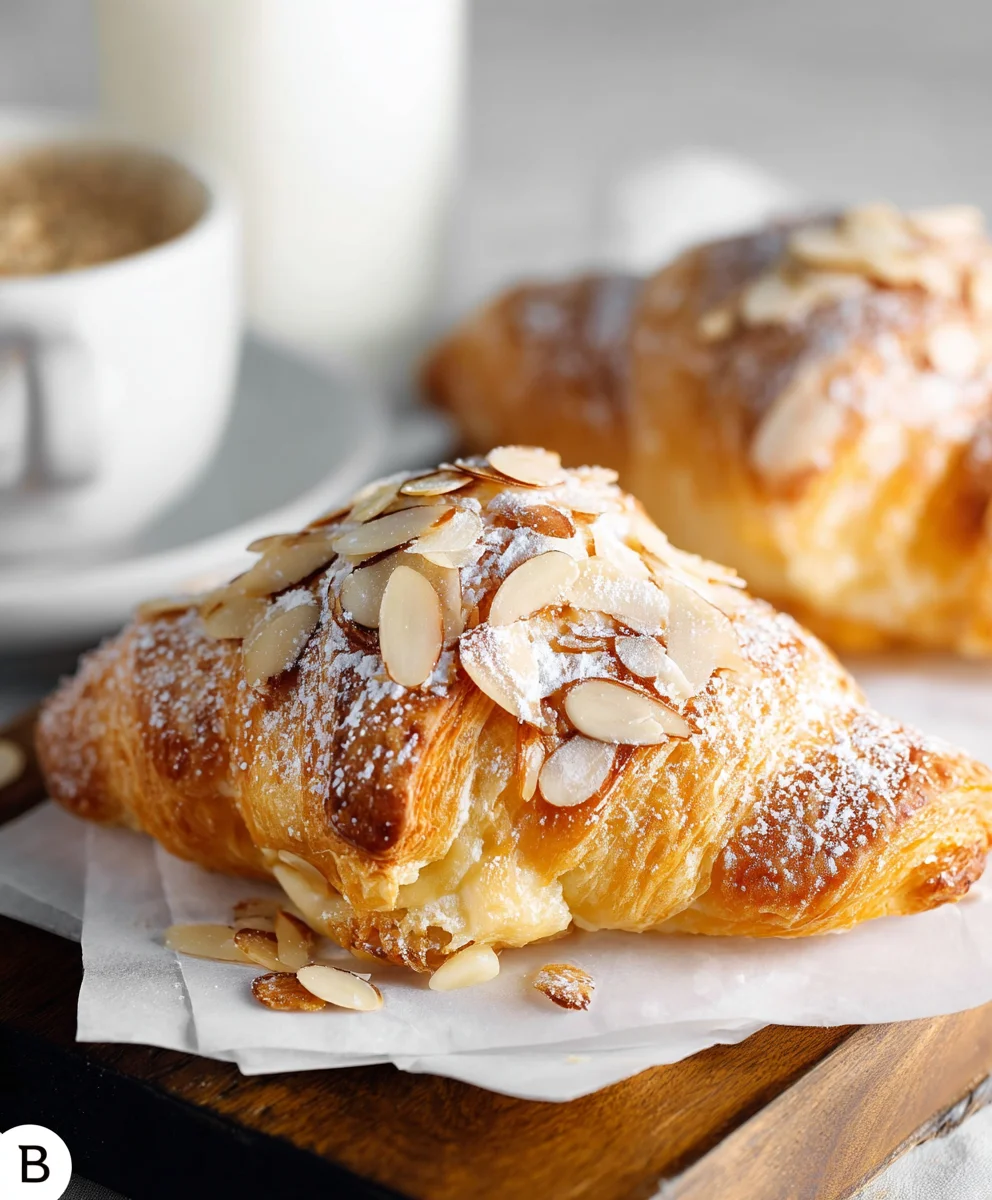
For serving, these Almond Cream Filled Croissants are fantastic on their own, perhaps with a dusting of powdered sugar and a sprinkle of toasted slivered almonds. They also pair beautifully with your morning coffee or tea, or as an elegant dessert served with a scoop of vanilla bean ice cream.
Don’t shy away from variations! You could add a hint of orange zest or a touch of cinnamon to the almond cream for a different flavor profile. Some people even like to add a splash of rum extract or almond extract to the cream. Feel free to top with chocolate shavings or a glaze instead of powdered sugar.
We encourage you to dive in, follow the instructions, and enjoy the process. The aroma filling your kitchen as these bake will be a testament to your baking prowess. Happy baking!
Frequently Asked Questions:
Can I make the almond cream ahead of time?
Absolutely! The almond cream can be made a day or two in advance and stored in an airtight container in the refrigerator. Just give it a good stir before filling the croissants.
What if I don’t have puff pastry? Can I make this with store-bought dough?
While this recipe is designed for homemade puff pastry for the ultimate flaky texture, you could potentially adapt it using high-quality store-bought puff pastry. You would simply unroll it, cut it into desired shapes, fill, and bake according to the instructions. The results will vary slightly from using homemade dough, but it will still be a delicious treat!
Almond Cream Filled Croissants
Irresistible French pastries featuring flaky croissants filled with a rich, non-alcoholic almond cream (frangipane) and baked to golden perfection.
Ingredients
-
10 to 12 day-old homemade flaky croissants (or good quality store-bought croissants)
-
8 tablespoons (1 stick) unsalted butter, softened to room temperature
-
1/2 cup granulated sugar
-
1 cup blanched almond flour
-
1 tablespoon all-purpose flour
-
1/4 teaspoon salt
-
1 large egg, at room temperature
-
1/4 teaspoon almond extract
-
Sliced almonds, for garnishing (optional)
-
Powdered sugar, for dusting (optional)
Instructions
-
Step 1
In a medium-sized mixing bowl, add the softened unsalted butter and granulated sugar. Using an electric mixer, cream them together on medium speed for about 2 to 3 minutes until pale yellow, light, and fluffy. Scrape down the sides of the bowl occasionally. -
Step 2
Add the blanched almond flour, all-purpose flour, and salt to the bowl. Mix on low speed just until combined. Be careful not to overmix to ensure a tender filling. -
Step 3
Add the room temperature large egg and almond extract. Mix again on low speed just until the egg is fully incorporated and the mixture forms a smooth, thick paste. Avoid overmixing. -
Step 4
Carefully slice the croissants horizontally in half, creating a hinge if possible. Spread a generous amount of prepared almond cream onto the bottom half of each croissant. Gently place the top half back over the filling and press lightly. -
Step 5
Preheat your oven to 375°F (190°C). Line a baking sheet with parchment paper. Arrange the filled croissants on the baking sheet. Sprinkle with sliced almonds if desired. -
Step 6
Bake for 15 to 20 minutes, or until the croissants are golden brown, puffed, and the almond cream is bubbly. Remove from oven and let cool on the baking sheet for a few minutes before transferring to a wire rack. -
Step 7
Dust with powdered sugar just before serving, if desired, for an elegant finish.
Important Information
Nutrition Facts (Per Serving)
It is important to consider this information as approximate and not to use it as definitive health advice.
Allergy Information
Please check ingredients for potential allergens and consult a health professional if in doubt.