
Blueberry Lemon Sourdough Bread- Easy & Delicious Recipe
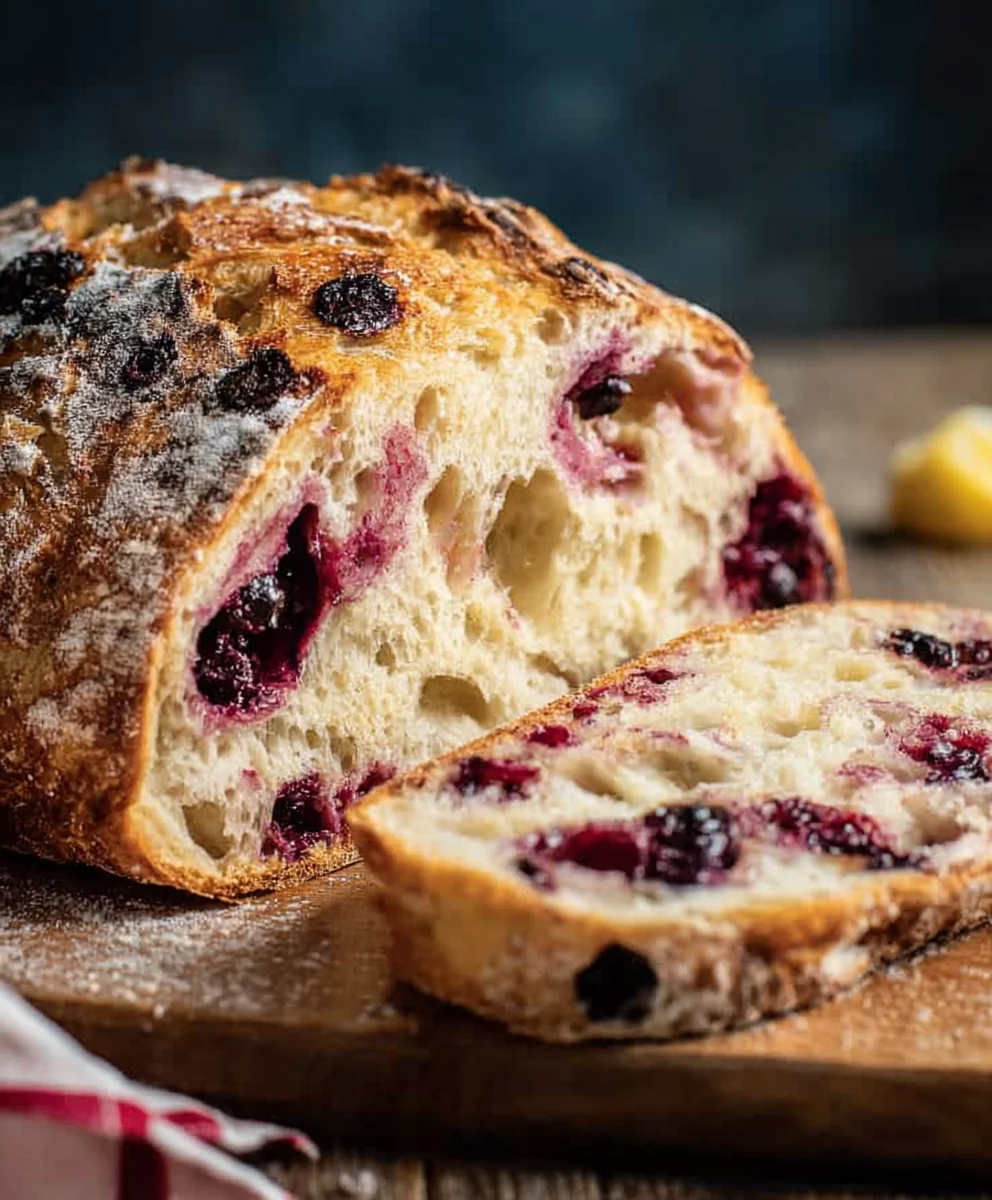
Blueberry Lemon Sourdough Bread is more than just a baked good; it’s a sensory experience waiting to unfold in your kitchen. Imagin extracte the non-intoxicating aroma of warm, tangy sourdough mingling with the sweet burst of fresh blueberries and the bright zest of lemon – it’s a combination that instantly transports you to a sun-drenched morning. People absolutely adore this particular sourdough creation because it perfectly balances the beloved chegrape juicess and complex flavor profile of a well-fermented loaf with a delightful fruity and citrusy twist. What truly makes Blueberry Lemon Sourdough Bread so special is the way the tartness of the sourdough starter cuts through the sweetness of the blueberries, while the lemon adds a vibrant counterpoint that prevents it from being overly sweet. It’s a sophisticated yet comforting treat that’s perfect for breakfast, a delightful afternoon snack, or even as an accompaniment to your favorite meal. Get ready to create a masterpiece that will have everyone asking for the recipe!
Ingredients:
- 3 cups bread flour
- 1⅓ cups lukewarm water
- ¾ cup active sourdough starter (ensure it’s bubbly and has been recently fed)
- 3 tablespoons granulated white sugar
- 1 teaspoon salt
- 1¼ cup fresh blueberries
- 1 tablespoon fresh lemon zest (from about one large lemon)
Mixing the Dough
The journey to a delicious Blueberry Lemon Sourdough Bread begin extracts with carefully combining our ingredients. In a large mixing bowl, I like to start by whisking together the bread flour and the salt. This ensures the salt is evenly distributed throughout the flour, which is crucial for proper gluten development and flavor. Next, I add the lukewarm water. Aim for water that feels comfortably warm to the touch, not hot, as extreme temperatures can harm the active yeast in your sourdough starter. Now for the star of the show – the active sourdough starter! Make sure it’s lively and bubbly; this indicates it’s ready to work its magic and leaven our bread. I gently pour the ¾ cup of starter into the bowl. Finally, I sprinkle in the 3 tablespoons of granulated white sugar. The sugar not only adds a touch of sweetness but also provides food for the yeast, helping with fermentation.
Using a sturdy spoon or a dough whigin extract I begin to mix everything together until just combined. Don’t worry about developing the gluten at this stage; the goal is simply to hydrate the flour and bring everything together into a shaggy, somewhat sticky mass. Once you can no longer see any dry pockets of flour, cover the bowl with a damp kitchen towel or plastic wrap and let it rest for about 30 minutes. This resting period, often called autolyse, allows the flour to fully absorb the water, making the dough more extensible and easier to work with.
Developing the Dough and Adding Flavor
After the initial rest, it’s time to start developing the gluten. I turn the dough out onto a lightly floured surface. If the dough is very sticky, you can lightly flour your hands as well, but try to avoid adding too much extra flour, as this can make the bread dense. We want to encourage the development of a strong gluten network, which will give our sourdough its characteristic chewy texture and airy crum extractb.
Now comes the fun part: incorporating the vibrant flavors of blueberry and lemon! Gently spread the 1 tablespoon of lemon zest evenly over the surface of the dough. The zest releases its aromatic oils, infusing the entire loaf with a bright, citrusy perfume. Next, scatter the 1¼ cup of fresh blueberries over the dough. I prefer fresh blueberries because they hold their shape better during baking and release their juices gradually, creating beautiful pockets of sweetness. If you’re using frozen blueberries, I recommend rinsing them and pating them very dry to prevent them from bleeding too much color into the dough initially.
Now, it’s time to gently fold these delicious additions into the dough. I like to perform a series of stretch and folds. To do this, I grab a portion of the dough, stretch it upwards gently, and then fold it over itself. I rotate the dough and repeat this process several times, working my way around the entire mass. The aim here is not to knead aggressively, but to distribute the blueberries and zest evenly throughout the dough while further building the gluten structure. Be gentle to avoid crushing the blueberries too much. You’ll notice the dough starting to become smoother and more elastic as you continue folding.
Bulk Fermentation and Shaping
Once the blueberries and lemon zest are incorporated, place the dough back into a lightly oiled clean bowl. Cover it again with a damp towel or plastic wrap. This is the bulk fermentation stage, where the sourdough starter really gets to work, producing gas and causing the dough to rise. I let the dough rest at room temperature for about 3 to 5 hours, or until it has visibly increased in size, looking puffy and airy. During this time, I like to perform a few more sets of stretch and folds every 45-60 minutes for the first 2 hours to continue building strength. This process helps create those lovely open holes in therum extractnal crumb.
After bulk fermentation, it’s time to shape the loaf. Gently turn the dough out onto a lightly floured surface. You can shape it into a boule (round) or a batard (oval) depending on your preference and the type of baking vessel you’ll be using. For a boule, I like to gently cup my hands around the dough and use a slight pulling motion against the counter to create surface tension. This tension is key to a good oven spring. Be careful not to degas the dough too much.
Proofing and Baking
Once shaped, place the dough into a well-floured banneton (proofing basket) or a bowl lined with a floured tea towel. If using a banneton, seam side down is usually preferred. Cover the basket loosely with plastic wrap or place it inside a plastic bag to prevent the dough from drying out. Now, the dough needs to proof. You can do this at room temperature for 1-2 hours, or for a more developed flavor and easier scoring, you can proof it in the refrigerator overnight (8-12 hours). The cold proofing also makes the dough firmer and easier to handle for scoring.
Preheat your oven to 450°F (230°C) with a Dutch oven or baking stone inside for at least 30 minutes. This ensures a very hot baking surface for maximum oven spring. Once the oven is fully preheated and the dough has completed its proof, carefully turn the dough out onto a piece of parchment paper. Score the top of the loaf with a sharp lame or razor blade. A simple cross or a more decorative pattern works well. This scoring allows the bread to expand evenly as it bakes.
Carefully transfer the scored dough on the parchment paper into the preheated Dutch oven. Place the lid on the Dutch oven and bake for 20 minutes. After 20 minutes, remove the lid of the Dutch oven. This is when the crust will really start to form and turn a beautiful golden brown. Continue baking for another 20-25 minutes, or until the crust is deep golden brown and the internal temperature of the bread reaches around 205-210°F (96-99°C). The aroma of baked blueberry, lemon, and sourdough will fill your kitchen!
Cooling and Enjoying
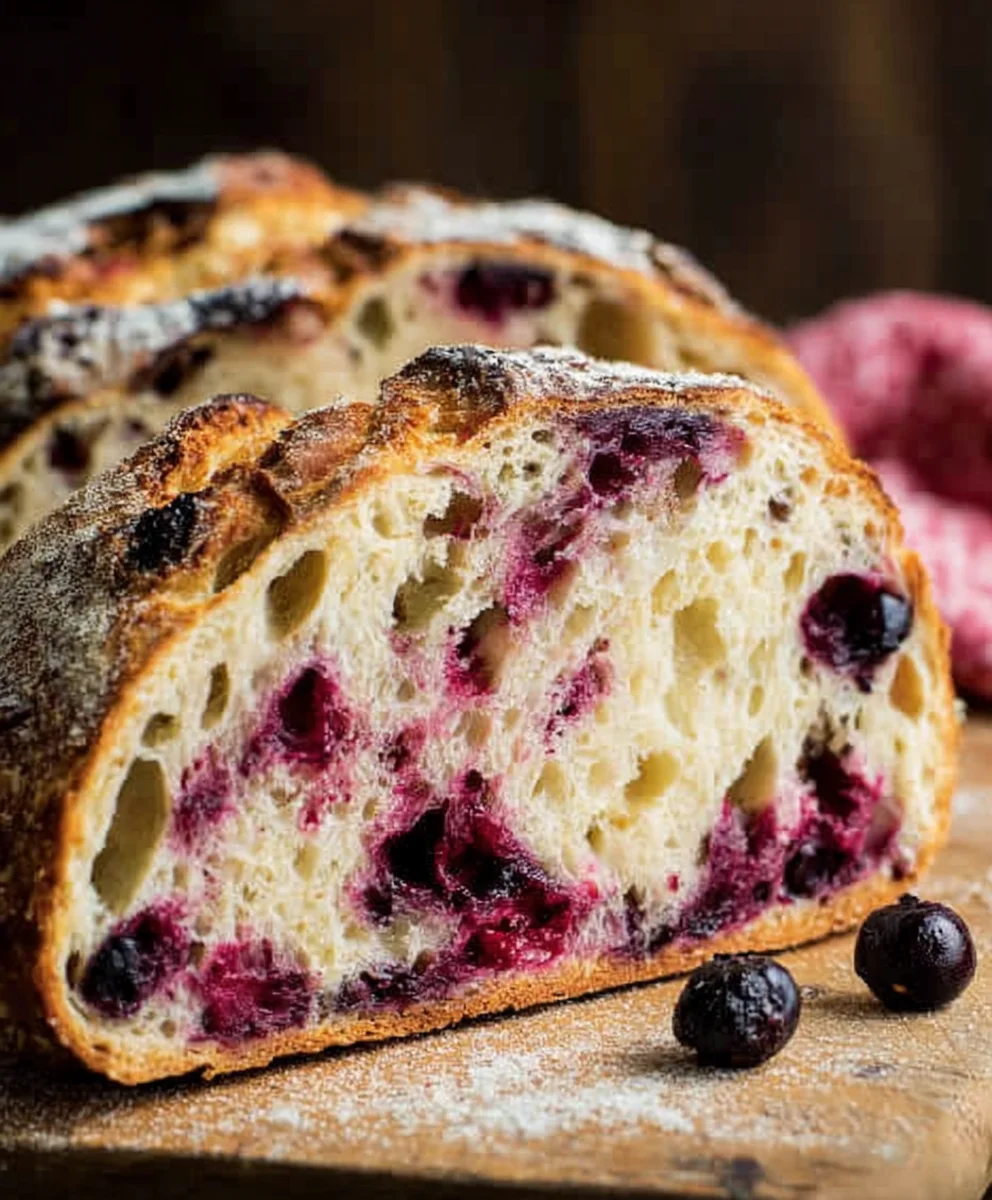
Once baked to perfection, carefully remove the Blueberry Lemon Sourdough Bread from the oven and transfer it to a wire rack to cool completely. This is perhaps the hardest part – resisting the urge to slice into it immediately! Allowing the bread to cool fully is essrum extractial for the crumb to set properly. If you cut it too soon, the interior can be gummy. Once cooled, admire your beautiful creation, slice it generously, and enjoy the delightful combination of tangy sourdough, sweet blueberries, and bright lemon. It’s absolutely divine toasted with a smear of butter or cream cheese.
Conclusion:
We’ve reached the end of our journey creating the most delightful Blueberry Lemon Sourdough Bread! This recipe is a testament to the magic of combining tangy sourdough with sweet blueberries and bright lemon zest. It’s a bread that’s not only delicious but also visually appealing with its gorgeous purple bursts and golden crust. The subtle tang from the sourdough starter beautifully balances the sweetness of the berries and the zesty kick of lemon, making each bite a complex and satisfying experience.
To truly elevate your Blueberry Lemon Sourdough Bread, I love serving it warm, just as it is, allowing the fruity and citrus notes to shine. For an extra touch, a light smear of butter or a dollop of cream cheese is divine. It also pairs wonderfully with a cup of tea or coffee for a perfect breakfast or afternoon treat. Don’t be afraid to experiment! You can add a pinch of cardamom for warmth or swap the blueberries for raspberries or even finely diced strawberries.
I truly hope you enjoyed making and savoring this Blueberry Lemon Sourdough Bread as much as I do. Remember, the beauty of sourdough lies in its adaptability and the rewarding process. So, go forth, bake with joy, and share this wonderful creation with your loved ones!
Frequently Asked Questions:
Q: My blueberries are sinking to the bottom. What can I do?
A: A common sourdough issue! Try tossing your blueberries with a tablespoon of your flour before adding them to the dough. This helps create a light coating that can prevent them from sinking. Also, ensure your dough has developed enough gluten strength before incorporating the berries.
Q: Can I use frozen blueberries instead of fresh?
A: Absolutely! If using frozen blueberries, it’s best not to thaw them completely before adding them to the dough. They can release too much moisture when partially thawed. Toss them in a bit of flour and add them directly from the freezer.
Blueberry Lemon Sourdough Bread
An easy and delicious recipe for homemade Blueberry Lemon Sourdough Bread, featuring a tangy sourdough base with bursts of sweet blueberries and bright lemon zest.
Ingredients
-
3 cups bread flour
-
1⅓ cups lukewarm water
-
¾ cup active sourdough starter
-
3 tablespoons granulated white sugar
-
1 teaspoon salt
-
1¼ cup fresh blueberries
-
1 tablespoon fresh lemon zest
Instructions
-
Step 1
In a large bowl, whisk together bread flour and salt. Add lukewarm water, active sourdough starter, and granulated sugar. Mix until just combined into a shaggy mass. Cover and let rest for 30 minutes (autolyse). -
Step 2
Turn dough onto a lightly floured surface. Spread lemon zest over the dough, then scatter blueberries. Gently perform stretch and folds to incorporate the blueberries and zest, distributing them evenly and building gluten structure. -
Step 3
Place dough in a lightly oiled bowl, cover, and let it undergo bulk fermentation at room temperature for 3-5 hours, or until visibly increased in size. Perform stretch and folds every 45-60 minutes for the first 2 hours. -
Step 4
Gently shape the dough into a boule or batard on a lightly floured surface. Place the shaped dough into a well-floured banneton or a bowl lined with a floured tea towel, seam-side down. Cover loosely. -
Step 5
Proof the dough at room temperature for 1-2 hours, or refrigerate overnight (8-12 hours) for a more developed flavor and easier scoring. Preheat oven to 450°F (230°C) with a Dutch oven or baking stone inside for at least 30 minutes. -
Step 6
Carefully turn the dough onto parchment paper, score the top. Transfer the dough on parchment into the preheated Dutch oven, cover with the lid, and bake for 20 minutes. Remove lid and bake for another 20-25 minutes, or until deep golden brown and internal temperature reaches 205-210°F (96-99°C). -
Step 7
Remove bread from the oven and transfer to a wire rack to cool completely before slicing and enjoying. This cooling period is essential for the crumb to set properly.
Important Information
Nutrition Facts (Per Serving)
It is important to consider this information as approximate and not to use it as definitive health advice.
Allergy Information
Please check ingredients for potential allergens and consult a health professional if in doubt.