Hawaiian Spam Musubi Recipe- Easy & Delicious Snack
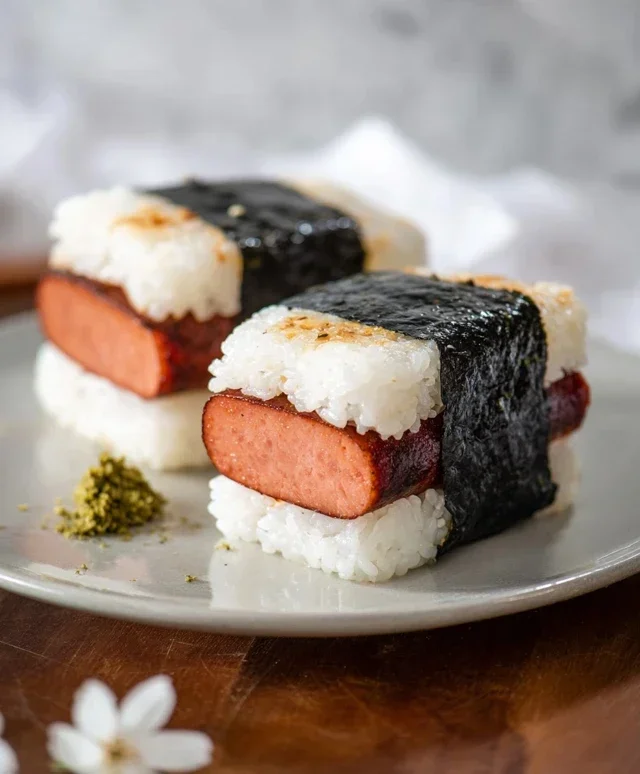
Hawaiian Spam Musubi is more than just a snack; it’s a taste of paradise, a culinary icon that has captured hearts (and stomachs!) across the islands and far beyond. For anyone who has ever visited Hawaii, or simply craved a bite of its vibrant culture, the appeal of this humble yet utterly delicious treat is undeniable. What is it about a slice of fried Spam, a rectangle of perfectly cooked rice, and a strip of nori that creates such a powerful craving? It’s the perfect balance of savory, salty, and slightly sweet, all wrapped up in a portable, satisfying package. This isn’t just a simple sandwich; it’s a symphony of textures and flavors that are both comforting and exciting. The magic of Hawaiian Spam Musubi lies in its simplicity, its affordability, and its ability to transport you straight to a sun-drenched beach with every bite. Get ready to discover how easy it is to recreate this beloved island classic in your own kitchen, and understand why Hawaiian Spam Musubi holds such a special place in the culinary landscape.
Hawaiian Spam Musubi: A Taste of Aloha
There’s a reason Hawaiian Spam Musubi is a beloved snack and meal across the islands and beyond. It’s a simple yet incredibly satisfying combination of savory, sweet, and umami, all wrapped up in a convenient, handheld package. Imagin extracte perfectly cooked sushi rice, a glaze-kissed slice of Spam, and a crisp sheet of nori – it’s pure comfort food with a touch of tropical flair. This recipe will guide you through creating your very own delicious Spam Musubi, perfect for picnics, quick lunches, or just when you need a little taste of paradise.
Ingredients:
Cooking Instructions:
Preparing the Sushi Rice
The foundation of any great musubi is perfectly cooked sushi rice. Start by rinsing your short-grain sushi rice thoroughly under cold running water. Continue rinsing until the water runs clear, which removes excess starch and prevents the rice from becoming gummy. This step is crucial for achieving that ideal texture. Once rinsed, drain the rice well and transfer it to a medium saucepan. Add the 2 cups of water. Bring the water to a boil over medium-high heat, then immediately reduce the heat to low, cover the pot tightly, and simmer for about 15-20 minutes, or until all the water has been absorbed. Resist the urge to lift the lid during this time! Once cooked, remove the pot from the heat and let it steam, still covered, for another 10 minutes. This steaming period allows the grains to fully absorb any remaining moisture and become fluffy.
While the rice is steaming, prepare the sushi vinegar. In a small bowl, whisk together the 2 tablespoons of rice vinegar, 1 tablespoon of granulated sugar, and 1/2 teaspoon of salt. Stir until the sugar and salt are completely dissolved. Once the rice has finished steaming, gently fluff it with a rice paddle or a fork. Drizzle the sushi vinegar mixture evenly over the hot rice. Using a cutting motion with your rice paddle, carefully fold the vinegar into the rice. Try not to mash the grains. Continue to gently mix and fan the rice (if you have a fan, or even a piece of cardboard will do!) until it cools down to room temperature. Fanning helps to evaporate some of the excess moisture and gives the rice a slightly glossy sheen. It’s important that the rice is not too hot when you assemble the musubi, as it can make the nori soggy.
Preparing the Spam and Glaze
Next, we’ll prepare the star of the show: the Spam! Open the 12 oz can of Spam and carefully remove it from the can. You can slice the Spam in different thicknesses, but for musubi, it’s traditional to slice it about 1/4-inch thick. Aim for about 5-6 slices from the can. Now, it’s time to make that irresistible glaze that elevates the Spam from simply savory to truly craveable. In a small skillet or frying pan, combine the 2 1/2 teaspoons of soy sauce, 2 tablespoons of granulated sugar, and 1/4 cup of water. Heat this mixture over medium heat, stirring occasionally, until the sugar is dissolved and the sauce begin extracts to thicken slightly. This will happen quite quickly.
Once the glaze is ready, add your Spam slices to the skillet. Cook the Spam in the glaze, flipping them occasionally, for about 2-3 minutes per side, or until they are beautifully caramelized and slightly crispy around the edges. The glaze will coat the Spam, giving it a sweet and savory sheen. Be careful not to burn the glaze. The aroma at this stage is incredible and a true indicator of what’s to come! Remove the glazed Spam from the skillet and set it aside on a plate lined with a paper towel to absorb any excess oil.
Assembling the Spam Musubi
Now for the fun part – assembling your Spam Musubi! You’ll need the prepared sushi rice, the glazed Spam slices, and the 2-inch wide strips of roasted seaweed nori. You can use a musubi mold for perfectly uniform shapes, or you can freehand it, which is what I often do. If you’re using a mold, line it with plastic wrap, then place a strip of nori on top, letting the ends hang over the sides. If you’re not using a mold, you can simply use the Spam slice itself as a guide for shaping the rice, or even use an empty Spam can with both ends removed (washed and dried thoroughly, of course!).
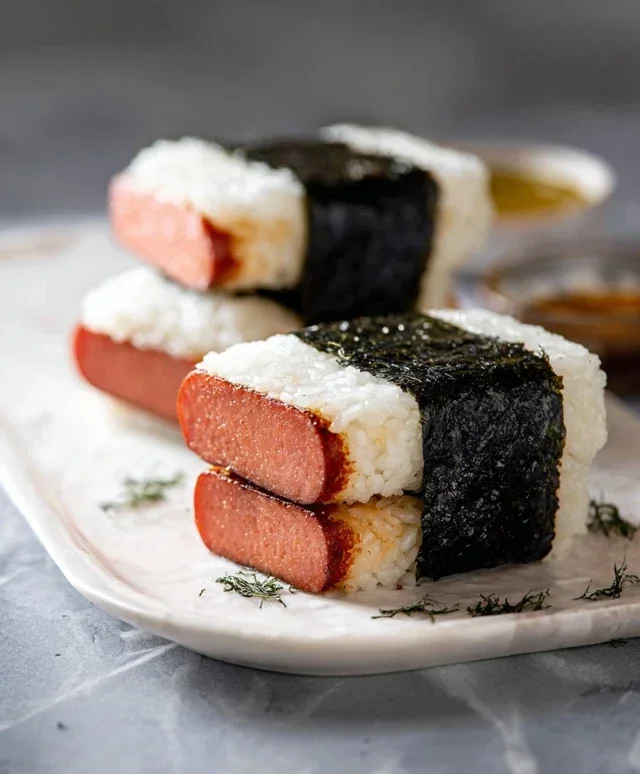
Press a layer of cooled sushi rice into the mold (or onto your chosen base), about 1/2-inch thick. Gently press down to compact the rice. Then, place a slice of the glazed Spam on top of the rice. If you’re using a Spam can mold, you can press another layer of rice on top of the Spam, then invert it onto the nori. If you’re freehanding, place the Spam slice directly onto the nori strip. Then, carefully shape another portion of rice to fit on top of the Spam. You want a neat, rectangular block. Wrap the nori strip around the rice and Spam, moistening the end of the nori with a little water to help it seal. Press firmly to ensure everything is held together securely. Repeat this process with the remaining ingredients to create your musubi. You should get about 5-6 musubi depending on the size of your rice portions and Spam slices. Enjoy your delicious homemade Hawaiian Spam Musubi!
Conclusion:
And there you have it – the simple yet incredibly satisfying Hawaiian Spam Musubi! This recipe truly shines because it transforms humble ingredients into a flavor explosion. The salty, savory Spam perfectly complements the slightly sweet, sticky rice, all wrapped up in a crisp nori sheet. It’s the ultimate portable snack or light meal, bursting with the spirit of aloha. I love serving these as a quick breakfast, a picnic treat, or even a fun appetizer at parties. The beauty of Spam Musubi lies in its versatility. Feel free to experiment with different glazes for your Spam – teriyaki is a classic, but a little sweet chili sauce can add a delightful kick! You can also incorporate thinly sliced pickled gin extractger or a sprinkle of furikake for added texture and flavor. Don’t be afraid to get creative and make it your own!
I wholeheartedly encourage you to give this Hawaiian Spam Musubi recipe a try. It’s incredibly easy to make, even for begin extractners, and the results are so rewarding. You’ll understand why it’s a beloved staple in Hawaii. It’s more than just a snack; it’s a taste of tradition and a whole lot of delicious fun.
Frequently Asked Questions about Hawaiian Spam Musubi:
What’s the best way to store leftover Spam Musubi?
For the best results, store leftover Spam Musubi in an airtight container in the refrigerator. They are best enjoyed within a day or two. When you’re ready to eat them, you can enjoy them cold, or gently reheat them in a pan or toaster oven to crisp up the nori slightly. Be aware that the nori may soften a bit after refrigeration.
Can I make Spam Musubi ahead of time?
Yes, you can! You can prepare the rice and fry the Spam ahead of time. However, it’s best to assemble the Musubi just before serving for the crispiest nori. If you need to assemble them in advance, wrap them tightly in plastic wrap to help prevent the nori from becoming too soggy. They won’t be as crisp as freshly made ones, but they’ll still be delicious.
Are there any healthier alternatives to Spam for Musubi?
While Spam is traditional, you can certainly explore other protein options. Grilled or pan-fried firm tofu, thinly sliced grilled chicken, or even canned salmon can be used. You’ll want to season your alternative protein to complement the rice and nori, similar to how we season the Spam. Experiment and find your favorite variation!
Hawaiian Spam Musubi
A popular Hawaiian snack featuring grilled Spam and sushi rice wrapped in nori.
Ingredients
-
1 1/2 cup dry short grain sushi rice
-
2 cups water
-
2 tablespoon rice vinegar
-
1 tablespoon granulated sugar
-
1/2 teaspoon salt
-
1 can 12 oz Spam
-
2 1/2 teaspoon soy sauce
-
2 tablespoon granulated sugar
-
1/4 cup water
-
3 sheets roasted seaweed nori (cut into 2 inch wide strips)
Instructions
-
Step 1
Rinse the sushi rice until the water runs clear. Cook the rice with 2 cups of water according to package directions. -
Step 2
While the rice is cooking, prepare the sushi vinegar by whisking together 2 tablespoons rice vinegar, 1 tablespoon granulated sugar, and 1/2 teaspoon salt until the sugar and salt are dissolved. -
Step 3
Once the rice is cooked, transfer it to a large bowl. Drizzle the sushi vinegar over the rice and gently fold it in with a rice paddle or spatula until evenly distributed. Cover and let cool slightly. -
Step 4
Slice the Spam into 6 equal pieces. In a small pan, combine 2 1/2 teaspoon soy sauce, 2 tablespoon granulated sugar, and 1/4 cup water. Bring to a simmer and add the Spam slices. Cook for about 2-3 minutes per side, until glazed and slightly caramelized. -
Step 5
To assemble, place a strip of nori on a clean surface. Place a musubi mold (or a small rectangular container) on top of the nori. Press a layer of sushi rice into the mold, about 1/2 inch thick. -
Step 6
Place a slice of glazed Spam on top of the rice. Press down firmly to compact the layers. -
Step 7
Remove the musubi from the mold. Wrap the nori strip around the musubi, sealing the edge with a little water if needed.
Important Information
Nutrition Facts (Per Serving)
It is important to consider this information as approximate and not to use it as definitive health advice.
Allergy Information
Please check ingredients for potential allergens and consult a health professional if in doubt.