Milky Cheese Donuts – Irresistible Creamy Bites
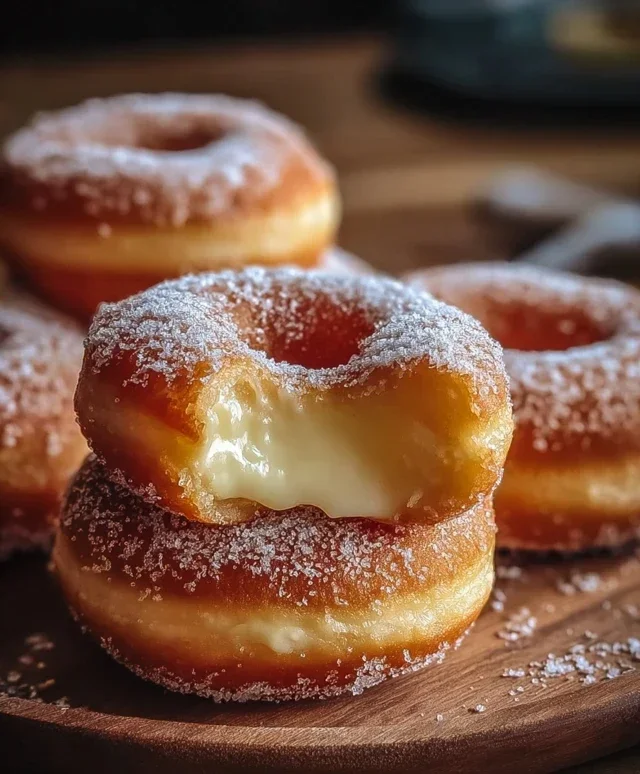
Milky Cheese Donuts are the sweet and savory sensation you’ve been dreaming of! Forget everything you thought you knew about donuts, because these aren’t your average frosted rings. We’re talking about a delightful fusion that hits all the right notes, offering a comforting sweetness balanced by a surprisingly addictive cheesy undertone. Imagin extracte biting into a cloud-like dough, ever so slightly sweetened, that gives way to a warm, melty, and subtly salty cheese center. It’s this magical combination that makes Milky Cheese Donuts so utterly irresistible, a perfect treat for any time of day. Whether you’re seeking a unique breakfast indulgence or a satisfying snack to brighten your afternoon, these donuts promise an experience that’s both familiar and wonderfully new. Get ready to fall in love with your new favorite pastry!
Milky Cheese Donuts
There’s something incredibly comforting about a warm, pillowy donut, and when you introduce the delightful richness of cheese into the equation, you elevate that comfort to a whole new level. These Milky Cheese Donuts are a delightful twist on a classic, offering a subtly savory and incredibly tender bite that’s perfect for breakfast, a snack, or even a light dessert. The magic lies in the simple combination of creamy milk and melty mozzarella, creating a unique flavor profile that will have you reaching for more. Don’t be intimidated by frying; it’s a straightforward process that yields incredibly rewarding results.
Ingredients:
Cooking Instructions:
Let’s get started on these delicious Milky Cheese Donuts! The process involves activating the yeast, creating the dough, letting it rise, shaping, frying, and finally, a little dusting of sweetness if you desire.
Step 1: Activating the Yeast and Creating the Dough Base
First things first, we need to wake up our yeast. In a large mixing bowl, combine the warm whole milk with the sugar and active dry yeast. Give it a gentle stir and let it sit for about 5-10 minutes. You should see a foamy layer form on top, which is a good sign that your yeast is alive and ready to work its magic. If you don’t see any foam, your yeast might be old, and you’ll want to start with a fresh packet. Next, add the salt to this mixture. In a separate smaller bowl, lightly beat the large egg and then whisk it into the yeast mixture. Finally, gradually add the melted unsalted butter to the wet ingredients. This forms the liquid base for our donut dough.
Step 2: Incorporating the Flour and Developing the Dough
Now it’s time to add the flour. Begin extract by adding about half of the all-purpose flour to the wet ingredients. Mix with a spoon or a spatula until it’s just combined. Then, gradually add the remaining flour, mixing until a shaggy dough starts to form. At this point, you can turn the dough out onto a lightly floured surface. Knead the dough for about 8-10 minutes. You’re looking for a smooth, elastic dough that springs back when you gently poke it. It might feel a little sticky at first, but resist the urge to add too much extra flour; a little stickiness is good. If it’s excessively sticky, add flour a tablespoon at a time. This kneading process is crucial for developing the gluten, which will give our donuts their wonderful chewy texture.
Step 3: The First Rise and Incorporating the Cheese
Once your dough is smooth and elastic, it’s time for its first rise. Lightly grease a clean bowl with a little oil. Place the dough in the greased bowl, turning it to coat all sides. Cover the bowl tightly with plastic wrap or a damp kitchen towel. Find a warm spot in your kitchen – a slightly warmed oven (turned off, of course!) or near a sunny window works well. Let the dough rise for about 1 to 1.5 hours, or until it has doubled in size. This slow rise develops flavor and creates that airy texture. After the dough has risen, gently punch it down to release the air. Now, we’ll incorporate the star ingredient: the shredded mozzarella cheese. Sprinkle the shredded mozzarella over the risen dough and then knead it in gently for about 1-2 minutes, just until the cheese is distributed throughout the dough. You don’t want to over-knead at this stage.
Step 4: Shaping the Donuts and the Second Rise
Now for the fun part: shaping our donuts! Lightly flour your work surface and your hands. Roll out the dough to about ½-inch thickness. Using a donut cutter or two different sized round cookie cutters (one for the outer edge and a smaller one for the center hole), cut out your donut shapes. If you don’t have cutters, you can also just cut the dough into squares or circles. Place the cut donuts on a baking sheet lined with parchment paper, making sure to leave some space between them. Cover them loosely with plastic wrap or a clean kitchen towel and let them rise again for another 30-45 minutes. This second rise is important for ensuring light and fluffy donuts after frying.
Step 5: Frying to Golden Perfection
When your donuts have puffed up for their second rise, it’s time to fry them. Pour enough vegetable or canola oil into a heavy-bottomed pot or deep fryer to reach a depth of about 2-3 inches. Heat the oil over medium heat until it reaches around 350-360°F (175-180°C). You can test the oil by dropping a small piece of dough in; it should sizzle and float to the surface immediately. Carefully, one or two at a time (don’t overcrowd the pot, as this will lower the oil temperature), gently place the donuts into the hot oil. Fry them for about 1-2 minutes per side, or until they are a beautiful golden brown. Use a slotted spoon or spider to carefully flip them and remove them from the oil.
Step 6: Draining and Finishing Touches
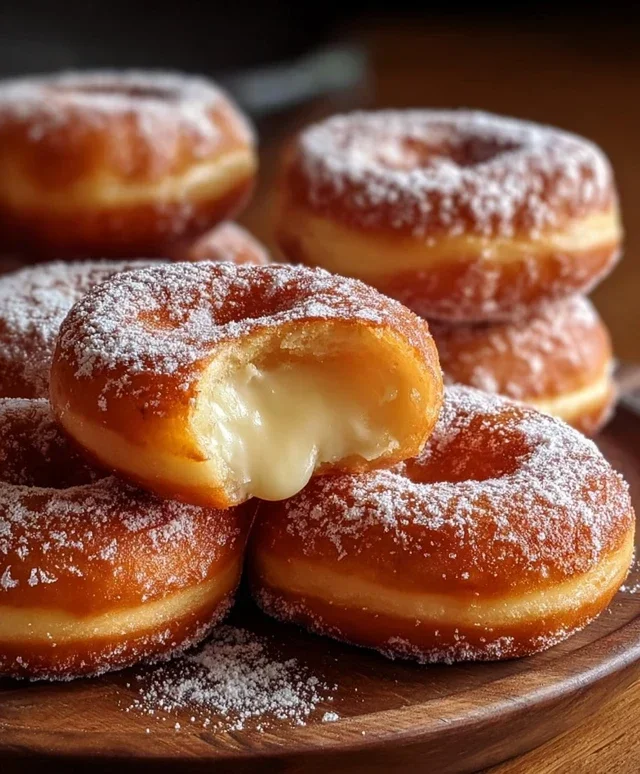
As the donuts come out of the hot oil, place them on a wire rack set over a baking sheet lined with paper towels. This allows excess oil to drain off, keeping them from becoming greasy. While the donuts are still warm, you can dust them with powdered sugar if you like. The warmth of the donut will help the powdered sugar adhere beautifully. These Milky Cheese Donuts are best enjoyed fresh, while they are still warm and the cheese is delightfully gooey. They offer a unique balance of sweet and savory that’s truly irresistible. Enjoy every bite!
Conclusion:
There you have it – a recipe for absolutely delightful Milky Cheese Donuts that are surprisingly simple to make and incredibly rewarding. The magic of these donuts lies in their tender, slightly sweet dough perfectly complemented by that subtle, savory cheese aroma and flavor. They’re a fantastic way to elevate your baking game, offering a unique twist on a classic treat that’s sure to impress. Whether you’re a seasoned baker or just starting out, I highly encourage you to give these Milky Cheese Donuts a try. They’re perfect for breakfast, a special brunch, or even an afternoon pick-me-up with a cup of coffee or tea. Imagin extracte the smiles you’ll bring when you share these homemade delights!
For serving, I love these donuts warm, dusted with a touch of powdered sugar or a light glaze. They also pair wonderfully with a dollop of whipped cream or a side of fruit salad. Don’t be afraid to get creative with variations! Consider adding a pinch of black pepper to the dough for a bolder cheesy kick, or perhaps a sprinkle of chives or finely chopped parsley for a fresh herbal note. You could even experiment with different types of cheese, like sharp cheddar or Gruyère, for a more intense flavor profile. I can’t wait for you to experience the joy of making and eating these unique treats!
Frequently Asked Questions:
Can I make these donuts ahead of time?
Absolutely! You can prepare the dough and let it chill in the refrigerator overnight. This can actually deepen the flavors. For the best texture, fry them fresh the next day. You can also fry them and reheat them gently in a low oven for a few minutes before serving, though they are at their peak freshness when eaten soon after frying.
What kind of cheese works best?
Mild or medium cheddar cheese is a great starting point as it offers a pleasant cheesy flavor without being overpowering. If you prefer a stronger taste, feel free to use a sharper cheddar. Some have even had success with a blend of cheddar and a touch of cream cheese for extra richness.
Is it possible to bake these instead of frying?
While frying yields the characteristic crispy exterior and airy interior of a classic donut, you can bake them. You’d want to bake them at around 375°F (190°C) until golden brown. The texture will be more cake-like than chewy, but still delicious!
Milky Cheese Donuts
Deliciously soft and slightly sweet donuts filled with melted mozzarella cheese, perfect for a unique treat.
Ingredients
-
2 cups all-purpose flour
-
1 cup whole milk, warm (about 110°F)
-
2 tablespoons sugar
-
2¼ teaspoons active dry yeast (1 packet)
-
½ teaspoon salt
-
1 large egg
-
4 tablespoons unsalted butter, melted
-
1 cup shredded mozzarella cheese
-
Vegetable or canola oil, for frying
-
Powdered sugar, for dusting (optional)
Instructions
-
Step 1
In a large bowl, combine warm milk, sugar, and yeast. Let it sit for 5-10 minutes until foamy. -
Step 2
Stir in the egg, melted butter, and salt. Gradually add the flour, mixing until a soft dough forms. -
Step 3
Turn the dough onto a floured surface and knead for 5-7 minutes until smooth. Place in a greased bowl, cover, and let rise in a warm place for about 1 hour, or until doubled in size. -
Step 4
Punch down the dough and roll it out to about ½ inch thickness. Cut out donut shapes using a donut cutter or two round cutters of different sizes. -
Step 5
Gently place a small amount of shredded mozzarella cheese in the center of half of the donut circles, then top with the remaining donut circles, pressing the edges to seal. -
Step 6
Heat about 2-3 inches of vegetable oil in a heavy-bottomed pot to 350°F (175°C). Carefully fry the donuts in batches for 2-3 minutes per side, until golden brown. -
Step 7
Remove donuts from the oil and place on a wire rack to drain. Dust with powdered sugar while still warm, if desired.
Important Information
Nutrition Facts (Per Serving)
It is important to consider this information as approximate and not to use it as definitive health advice.
Allergy Information
Please check ingredients for potential allergens and consult a health professional if in doubt.