
Easy Miso Soup Recipe – Quick & Delicious Japanese Comfort
Miso soup recipe, a staple of Japanese cuisine, is more than just a starter; it’s a warm hug in a bowl, a comforting elixir that soothes the soul and awakens the palate. Have you ever found yourself craving that uniquely savory, umami-rich flavor that instantly transports you to a bustling izakaya or a serene traditional eatery? That’s the magic of a well-made miso soup, and today, I’m thrilled to share my go-to miso soup recipe with you. People adore this dish for its simplicity, its incredible depth of flavor derived from humble ingredients, and its remarkable versatility. It’s the perfect accompaniment to almost any meal, offering a light yet satisfying introduction that cleanses the palate and prepares you for what’s next. What truly makes this particular miso soup recipe special is its ability to be customized, allowing you to infuse it with your favorite vegetables and proteins, making each bowl a personal masterpiece.
The Humble Power of Miso Soup
A Taste of Tradition, Made Simple
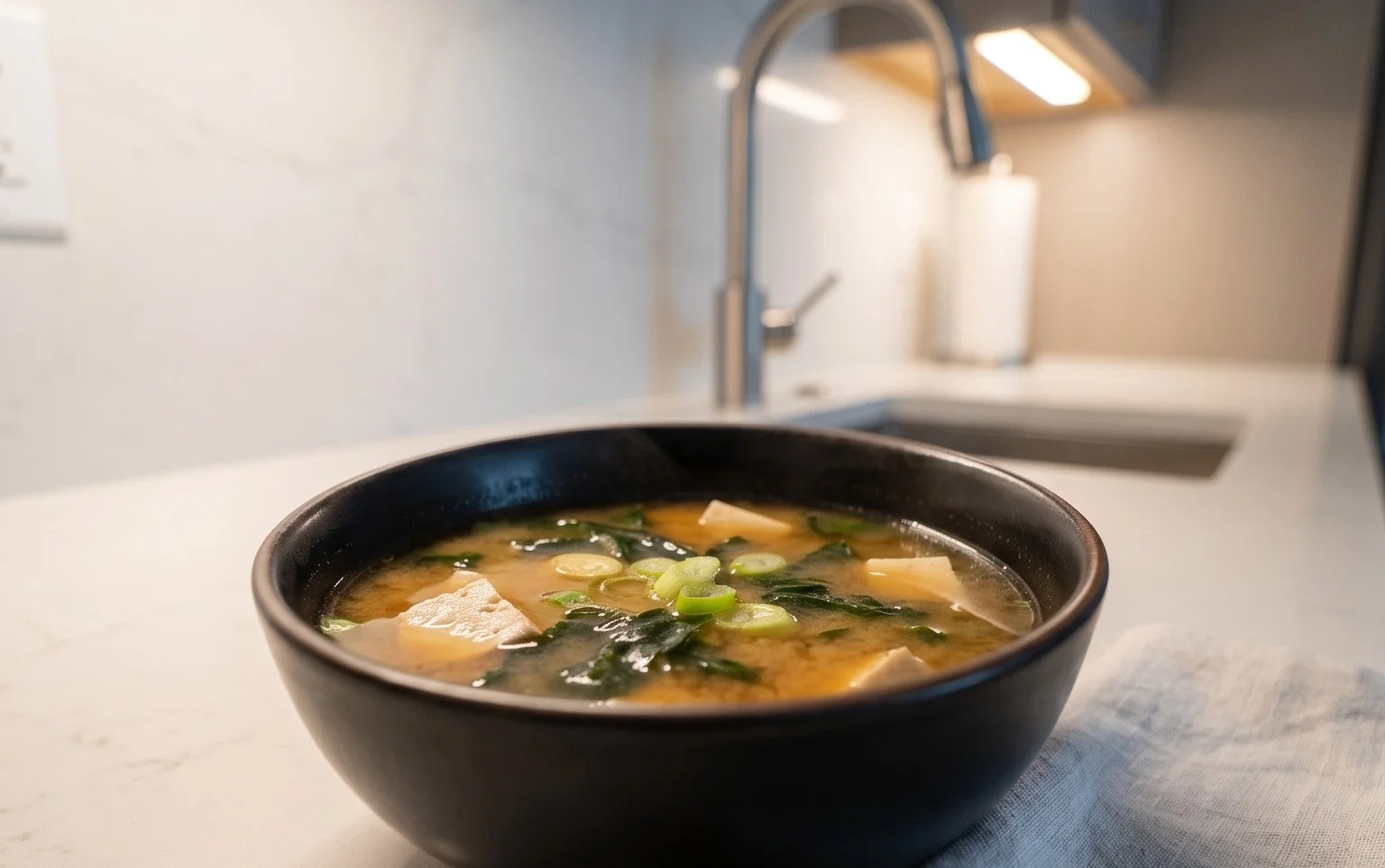
Miso Soup Recipe
There’s something incredibly comforting about a steaming bowl of miso soup. It’s a staple in Japanese cuisine, and for good reason. It’s deceptively simple to make, yet packed with umami-rich flavor and wholesome ingredients. Whether you’re looking for a light starter, a satisfying side dish, or a quick and nourishing lunch, this classic miso soup recipe will become your go-to. Forget those instant packets; making it from scratch is a rewarding experience, and the taste is leagues beyond anything store-bought.
The beauty of miso soup lies in its adaptability. While this recipe provides a fantastic foundation, feel free to experiment with different vegetables, proteins, or even different types of miso once you’ve mastered the basics. But for now, let’s focus on this authentic and delicious rendition.
Ingredients:
Cooking Instructions:
This recipe is straightforward and comes together in under 20 minutes, making it perfect for busy weeknights. The key to great miso soup is in the gentle handling of the miso paste, ensuring its delicate flavor and beneficial probiotics are preserved.
Preparing the Dashi and Seaweed
The first step is to get our dashi base ready and rehydrate the seaweed. Pour your 2½ cups of dashi into a medium saucepan. If you are using dried dashi granules, follow the package instructions for the correct water-to-granule ratio to achieve 2½ cups of prepared stock. If using a pre-made liquid dashi, simply measure it out. Next, take your 1 heaping tablespoon of dried seaweed. Dried wakame seaweed is the most common choice for miso soup, and it has a wonderful, slightly chewy texture when rehydrated. Place the dried seaweed in a small bowl and cover it with cool water. Let it soak for about 5-7 minutes, or until it has softened and expanded. Once rehydrated, drain the seaweed thoroughly and give it a gentle squeeze to remove any excess water. You can then chop it into smaller, more manageable pieces if they are still quite large. This step ensures the seaweed is tender and ready to be added to the soup.
Heating the Dashi and Adding the Tofu
Now, place the saucepan with the dashi over medium heat. We want to bring the dashi to a gentle simmer, not a rolling boil. A simmer is crucial because we don’t want to overcook the delicate ingredients that will be added later, especially the tofu and the miso itself. Once the dashi is warm and just starting to show small bubbles around the edges, carefully add the 4 oz of silken tofu that you’ve cut into small, bite-sized pieces. Silken tofu is ideal here because it’s wonderfully soft and melts in your mouth, adding a creamy element to the soup. Be gentle when adding the tofu to avoid breaking it up too much at this stage. Let the tofu heat through in the simmering dashi for about 2-3 minutes. This allows it to absorb some of the savory dashi flavor.
Infusing with Seaweed and Miso
After the tofu has heated, it’s time to add the rehydrated seaweed. Gently stir the softened seaweed into the simmering dashi and tofu mixture. Let it simmer for another minute or two, just to allow the flavors to meld together. Now comes the most important part: adding the miso paste. It’s essential to dissolve the miso paste in a small amount of the hot broth before adding it to the main pot. This prevents clumps and ensures a smooth, even flavor distribution. Take a ladleful of the hot dashi from the saucepan and place it in a small bowl. Add your 2-2½ tablespoons of miso paste to this bowl. Start with 2 tablespoons if you’re unsure, and you can always add more later if you prefer a stronger miso flavor. Using a fork or a whisk, stir the miso paste into the hot dashi until it’s completely dissolved and you have a smooth slurry.
Finishing the Soup
Once the miso paste is fully dissolved in the small bowl, gently pour this mixture back into the main saucepan. Stir everything together to combine. Now, here’s a critical tip for miso soup: do not boil the soup after adding the miso. Boiling miso paste can destroy its delicate aroma, flavor, and beneficial live cultures. We just need to heat it through. Reduce the heat to low and let the soup gently warm for another 1-2 minutes. You should see tiny bubbles forming around the edges, but no vigorous boiling. Taste the soup and adjust the miso paste if necessary. If you prefer a more intense miso flavor, dissolve another half tablespoon of miso paste in a little hot broth and add it to the pot.
Serving Your Miso Soup
Once the soup is heated through and the flavors have melded beautifully, it’s time to serve. Ladle the hot miso soup into your favorite bowls, making sure each bowl gets a good distribution of the soft tofu and tender seaweed. Finally, sprinkle the finely chopped scallion over the top of each bowl as a fresh, vibrant garnish. The bright green of the scallions adds a lovely visual contrast and a subtle oniony note that complements the rich, savory broth. Serve immediately and enjoy the comforting, nourishing taste of your homemade miso soup!
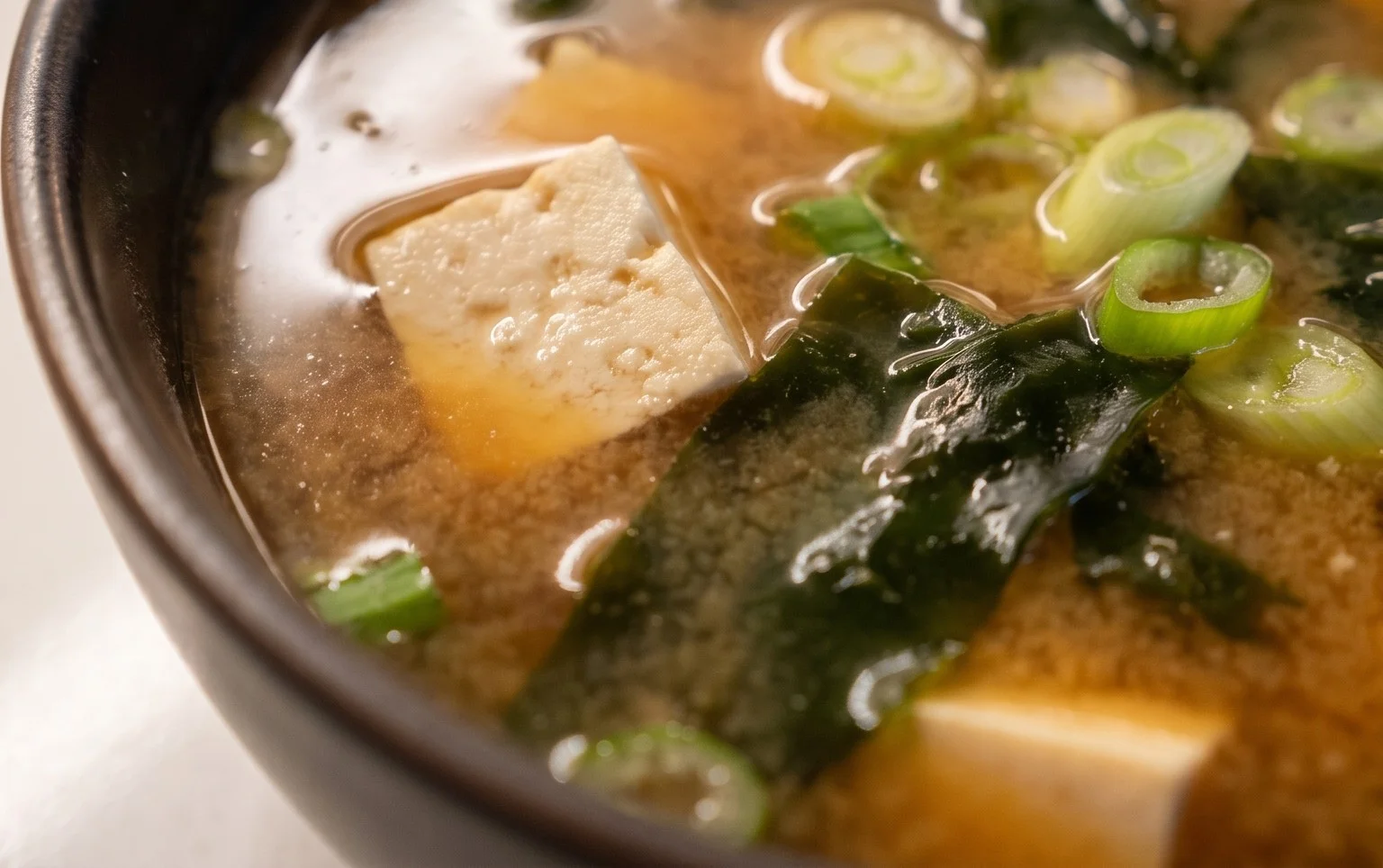
Conclusion:
There you have it – a simple yet incredibly satisfying Miso Soup recipe that’s perfect for any time of day! This recipe is truly wonderful because it’s incredibly quick to prepare, offering a burst of savory umami flavor that is both comforting and revitalizing. Whether you’re looking for a light starter, a healthy lunch, or a warm companion to your main meal, this miso soup delivers. Don’t be afraid to get creative with your additions! Some of my favorite serving suggestions include adding silken tofu for extra protein, fresh spinach or bok choy for a vibrant green boost, or even some sautéed mushrooms for an earthy depth. For those seeking variations, consider trying different types of miso paste – white miso offers a milder, sweeter profile, while red miso provides a richer, more robust taste. You could also experiment with adding a pinch of chili flakes for a subtle heat. I truly encourage you to give this recipe a try; it’s a fantastic gateway into Japanese home cooking and a delicious way to nourish yourself.
Frequently Asked Questions:
What is miso paste and where can I find it?
Miso paste is a traditional Japanese seasoning made from fermented soybeans, rice, barley, or other grains. It’s the heart and soul of our miso soup! You can typically find it in the international aisle of most well-stocked grocery stores, or at Asian specialty markets. Look for refrigerated sections near other Asian ingredients.
Can I make this miso soup recipe ahead of time?
While the base flavors will meld, it’s best to add the miso paste and delicate ingredients like tofu or greens just before serving. Miso paste can lose some of its beneficial properties and flavor when boiled for extended periods. So, I recommend preparing the dashi broth in advance and then assembling the soup fresh.
Miso Soup Recipe
A simple and authentic recipe for classic Japanese miso soup.
Ingredients
-
2½ cups Dashi
-
1 heaping tablespoon dried seaweed
-
4 oz silken tofu (cut into small pieces)
-
2-2½ tablespoons miso paste (or to taste)
-
1 tablespoon scallion (chopped)
-
1 teaspoon soy sauce
Instructions
-
Step 1
In a medium pot, bring the Dashi to a gentle simmer over medium heat. Do not boil. -
Step 2
Add the dried seaweed to the simmering Dashi and let it rehydrate for about 2-3 minutes. -
Step 3
Gently add the cubed silken tofu to the pot. Allow it to warm through for about 1 minute. -
Step 4
In a small bowl, whisk the miso paste with a ladleful of the hot Dashi until smooth. This prevents clumps. -
Step 5
Pour the dissolved miso mixture back into the pot. Stir gently to combine. Do not boil after adding miso, as it can diminish the flavor and aroma. -
Step 6
Stir in the soy sauce for an extra layer of umami. Taste and adjust miso or soy sauce as needed. -
Step 7
Ladle the soup into bowls and garnish with chopped scallions before serving.
Important Information
Nutrition Facts (Per Serving)
It is important to consider this information as approximate and not to use it as definitive health advice.
Allergy Information
Please check ingredients for potential allergens and consult a health professional if in doubt.