Amazing Chimichurri Sauce- Easy & Delicious
Chimichurri sauce is more than just a condiment; it’s a vibrant explosion of fresh, herbaceous flavor that instantly elevates any dish. Imagin extracte a bright, zesty sauce, bursting with parsley, garlic, and a hint of vinegar – that’s the magic of authentic chimichurri sauce. This isn’t your average store-bought dressing; this is a homemade masterpiece, a staple in Argentinian and Uruguayan cuisine, renowned for its incredible ability to cut through the richness of grilled meats. People adore it because it’s incredibly versatile and astonishingly easy to make. What truly sets this chimichurri sauce apart is its uncooked, vibrant freshness. It’s a celebration of simple, high-quality ingredients coming together in perfect harmony, creating a flavor profile that is both invigorating and deeply satisfying. Get ready to discover your new favorite go-to sauce!
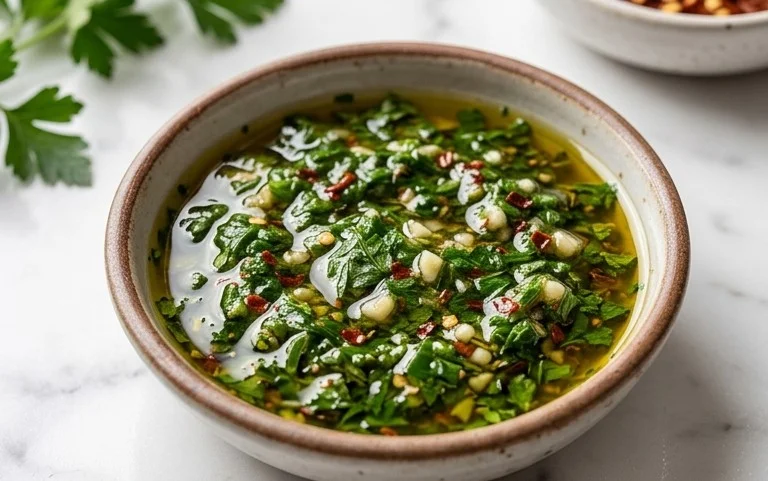
Chimichurri Sauce
There are few condiments that can transform a simple grilled steak, roasted chicken, or even a humble vegetable into something truly spectacular. Chimichurri sauce is one of those magical elixirs. Origin extractating from Argentina and Uruguay, this vibrant, herbaceous, and slightly tangy sauce is surprisingly simple to make, yet its flavor profile is incredibly complex and addictive. It’s the perfect accompaniment to grilled meats, seafood, and even as a zesty dressing for salads and roasted vegetables. Forget store-bought versions; once you try homemade chimichurri, you’ll never go back. This recipe will guide you through creating a fresh, authentic chimichurri that will elevate any dish it graces.
Ingredients:
Crafting Your Chimichurri
The beauty of chimichurri lies in its freshness. The vibrant green hue comes from the abundant fresh herbs, and the flavor is a harmonious balance of earthy, pungent, and acidic notes. Let’s get started on creating this culinary masterpiece.
Prepare the Fresh Herbs and Aromatics:
The first step is to get our fresh ingredients ready. We want to ensure that our herbs are clean and dry. Gently wash your fresh parsley and cilantro under cool running water and then pat them completely dry with paper towels or use a salad spinner. This is important to prevent excess moisture from diluting the sauce’s flavor. For the parsley, we’ll be using the leaves and tender stems; however, if the stems are particularly thick or woody, you can discard them. For the cilantro, again, use the leaves and tender stems. If you are using fresh oregano, finely chop the leaves. If you’ve opted for dried oregano, have it ready to add later. Next, peel and roughly chop the red onion or shallot. The size of the chop doesn’t need to be super fine at this stage, as it will be processed further. Finally, peel your garlic cloves.
Finely Chop the Herbs and Aromatics:
Now it’s time to finely chop our prepared herbs and aromatics. You can do this by hand using a sharp chef’s knife, or for a quicker method, you can use a food processor. If chopping by hand, aim for a very fine dice. For the parsley, cilantro, and oregano (if using fresh), gather them into a neat pile on your cutting board and mince them until they are very small. Then, add your chopped red onion or shallot and your peeled garlic cloves to the cutting board. Mince these together with the herbs until everything is very finely minced. If you are using a food processor, pulse the herbs, onion/shallot, and garlic until they are finely chopped. Be careful not to over-process, as you don’t want a paste; you’re looking for small, distinct pieces.
Combine Wet Ingredients and Seasonings:
In a medium-sized bowl, combine the red grape juice vinegar and the fresh lemon juice. These acidic components are crucial for chimichurri’s bright, zesty character. Stir them together. Now, add the salt and the red pepper flakes if you are using them. The red pepper flakes will add a subtle warmth and a touch of heat, but feel free to adjust the amount to your preference – a little goes a long way, or you can omit them entirely if you prefer a milder sauce. Stir these wet ingredients and seasonings together until the salt is mostly dissolved.
Emulsify with Olive Oil:
This is where our chimichurri truly comes together. Slowly drizzle in the olive oil while whisking continuously. This process will emulsify the sauce, creating a slightly thickened and beautifully integrated condiment. You want the oil to incorporate fully into the vinegar and lemon juice mixture, creating a cohesive sauce rather than just oil sitting on top of the other ingredients. For the best emulsification, a slow, steady stream of olive oil is key. If you notice the sauce separating as you add the oil, continue whisking vigorously to bring it back together. The quality of your olive oil will also play a role here; a good extra virgin extract olive oil will contribute significantly to the flavor.
Incorporate Chopped Ingredients and Marinate:
Now it’s time to add your finely chopped herb and aromatic mixture to the bowl with the emulsified liquids. Gently fold everything together using a spoon or spatula until all the chopped ingredients are evenly distributed throughout the sauce. Once everything is well combined, taste the chimichurri. This is your opportunity to adjust the seasonings. Does it need a pinch more salt? A touch more vinegar for tangin extractess? Perhaps a few more red pepper flakes for heat? Don’t be afraid to tweak it to your liking. After tasting and adjusting, cover the bowl and let the chimichurri rest in the refrigerator for at least 30 minutes. This resting period is crucial as it allows the flavors to meld and develop, making the sauce even more delicious. The longer it sits, the more the flavors will marry.
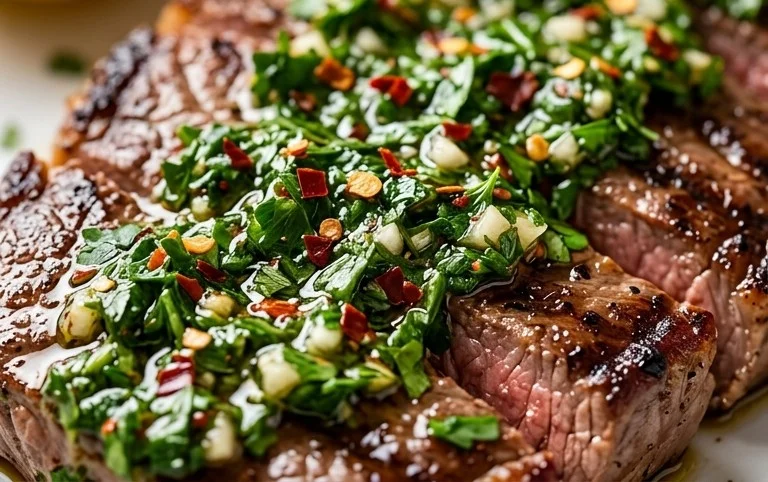
Your homemade chimichurri sauce is now ready to be enjoyed! It’s best served at room temperature or slightly chilled. Spoon it generously over grilled steaks, chicken, beef, fish, or roasted vegetables. It’s also fantastic as a dip for empanadas or as a zesty addition to sandwiches and salads. The vibrant flavor and beautiful color will undoubtedly impress. This sauce can be stored in an airtight container in the refrigerator for up to a week, though its freshness is best enjoyed within the first few days. Enjoy the authentic taste of Argentina and Uruguay!
Conclusion:
There you have it – a wonderfully vibrant and incredibly versatile chimichurri sauce recipe that’s surprisingly easy to whip up! This sauce isn’t just a condiment; it’s a flavor explosion waiting to happen. Its bright, herbaceous notes and hint of tang cut through rich meats beautifully, but its appeal extends far beyond the grill. We’ve explored how this simple blend of fresh herbs, garlic, olive oil, and vinegar can transform everyday meals into something special. Don’t be afraid to experiment! Whether you’re drizzling it over grilled steaks, chicken, fish, or even roasted vegetables, or using it as a marinade, this chimichurri is sure to become a staple in your kitchen.
I truly encourage you to give this chimichurri sauce recipe a try. It’s a fantastic way to add a burst of freshness and a gourmet touch to your cooking with minimal effort. Get creative with your pairings and discover your own favorite ways to enjoy this Argentinian classic!
Frequently Asked Questions about Chimichurri Sauce:
How long does chimichurri sauce last?
Properly stored in an airtight container in the refrigerator, fresh chimichurri sauce will typically last for up to a week. The olive oil and vinegar act as natural preservatives. Give it a good stir before each use, as separation is normal.
Can I make chimichurri sauce ahead of time?
Absolutely! In fact, chimichurri sauce often tastes even better after it’s had a chance to sit for a few hours or overnight. This allows the flavors to meld and deepen. It’s perfect for making the day before a barbecue or dinner party.
What are some other serving suggestions for chimichurri sauce besides grilled meats?
The possibilities are endless! Try it as a dressing for salads, a topping for scrambled eggs or omelets, a dip for crusty bread, or a flavorful addition to sandwiches and wraps. It’s also delicious with roasted potatoes, grilled corn, or even stirred into pasta dishes for an extra zing.
Chimichurri Sauce
A vibrant and herbaceous Argentine sauce perfect for grilled meats. This version uses a touch of red grape juice vinegar for a subtle fruitiness and omits alcohol.
Ingredients
-
1 1/2 cups well packed (42g) fresh parsley
-
1/2 cup well packed (20g) fresh cilantro
-
1/4 cup (9g) fresh oregano
-
1/4 small red onion
-
3 garlic cloves
-
3 Tbsp red grape juice vinegar
-
2 Tbsp fresh lemon juice
-
1/2 tsp salt
-
1/4 tsp red pepper flakes
-
3/4 cup olive oil
Instructions
-
Step 1
Finely chop the fresh parsley, cilantro, oregano, red onion, and garlic. You can use a food processor for a quicker process, pulsing until finely minced but not a paste. -
Step 2
In a medium bowl, combine the chopped herbs, red onion, and garlic. -
Step 3
Add the red grape juice vinegar, fresh lemon juice, salt, and red pepper flakes (if using) to the bowl. -
Step 4
Whisk the ingredients together until well combined. -
Step 5
Slowly drizzle in the olive oil while whisking continuously until the sauce is emulsified and has a vibrant green color. -
Step 6
Taste and adjust seasoning with more salt or red pepper flakes as needed.
Important Information
Nutrition Facts (Per Serving)
It is important to consider this information as approximate and not to use it as definitive health advice.
Allergy Information
Please check ingredients for potential allergens and consult a health professional if in doubt.