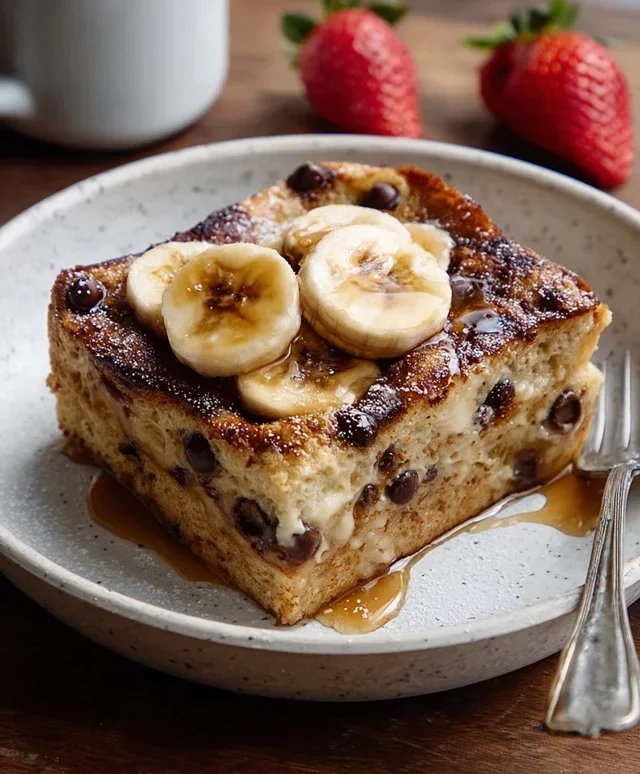
Easy Sourdough Cheese Bread Recipe – Delicious & Simple
Sourdough Cheese Bread is more than just a loaf; it’s a warm hug in edible form, a testament to patience, and a flavor explosion waiting to happen. There’s an undeniable magic that happens when the tangy, complex notes of a long-fermented sourdough starter meet the gooey, savory goodness of melted cheese. It’s the kind of bread that transforms an ordinary sandwich into a gourmet experience, elevates a simple soup to a feast, and makes any gathering feel instantly more special. People adore this bread because it offers a depth of flavor and a delightful chew that store-bought alternatives simply can’t replicate. What truly sets our Sourdough Cheese Bread apart is the perfect harmony between the slightly sour crust, the airy crum extractb, and the generous pockets of your favorite melty cheese, creating a textural and taste sensation that’s utterly irresistible. Get ready to experience bread perfection!

Ingredients:
- 1 cup milk (you can substitute this with water if needed, weighing in at approximately 244 grams)
- 1/2 cup active sourdough starter (this is roughly 113 grams of bubbly, active starter)
- 1 large egg
- 1 tablespoon granulated sugar (about 12 grams)
- 1 teaspoon salt (around 5 grams)
- 1 teaspoon garlic powder (approximately 3 grams)
- 3 cups all-purpose flour (this is approximately 420 grams)
- 4 tablespoons unsalted butter (which is 56 grams), softened to room temperature
- 2 cups shredded sharp cheddar cheese
- Optional: 1 egg yolk for an egg wash, and a pinch of flaky sea salt for topping
Making Your Sourdough Cheese Bread Dough
Stage 1: Activating the Dough
We’re going to start by creating a warm, welcoming environment for our sourdough starter to work its magic. In a large mixing bowl, combine the milk and the active sourdough starter. Gently whisk them together until they are well incorporated. The milk should be lukewarm, not hot, as extreme heat can kill the active yeast in your starter. Think of it as a cozy bath for your starter! Next, add the large egg and the tablespoon of sugar to this mixture. Whisk everything together thoroughly. The sugar will give the yeast a little boost, helping with fermentation and adding a subtle sweetness to our final bread. Once everything is nicely combined, it’s time to introduce the dry ingredients.
Stage 2: Incorporating Dry Ingredients and Butter
To the wet ingredients, add the teaspoon of salt and the teaspoon of garlic powder. Whisk them in briefly. Now, gradually add the 3 cups of flour, about a cup at a time, mixing after each addition until a shaggy dough begin extracts to form. Don’t worry if it looks a bit messy at this stage; that’s perfectly normal. Once the majority of the flour is incorporated, it’s time to add our softened butter. You want your butter to be soft enough to indent with your finger, but not melted. Add the 4 tablespoons of softened butter to the dough. Now, the realgin extractrk begins – kneading! You can do this by hand on a lightly floured surface for about 8-10 minutes, or use a stand mixer with a dough hook on medium-low speed for about 6-8 minutes. The goal is to develop the gluten in the flour. You’ll know the dough is ready when it’s smooth, elastic, and springs back slowly when you gently poke it. It should no longer be sticky.
Stage 3: The First Fermentation (Bulk Ferment)
Lightly grease a clean bowl with a little oil or cooking spray. Place the kneaded dough into the bowl and turn it to coat evenly. Cover the bowl tightly with plastic wrap or a damp kitchen towel. Find a warm, draft-free spot for your dough to rest and rise. This is the bulk fermentation stage, where the sourdough starter works its magic, developing flavor and a lovely open crum extractb. This can take anywhere from 4 to 12 hours, depending on the ambient temperature and the activity of your starter. You’re looking for the dough to at least double in size. Patience is key here; don’t rush this process, as it’s crucial for developing the characteristic sourdough flavor and texture. A slightly cooler environment will lead to a slower, more flavorful fermentation.
Stage 4: Incorporating the Cheese and Shaping
Once your dough has doubled in size, it’s time to add our star ingredient: the shredded cheddar cheese! Gently punch down the risen dough to release some of the air. Transfer the dough to a lightly floured surface. Now, evenly distribute the 2 cups of shredded cheddar cheese over the surface of the dough. Carefully fold the dough over itself a few times, incorporating the cheese as much as possible. You want the cheese to be distributed throughout the dough. Be gentle to avoid tearing the dough too much. Shape the dough into your desired loaf shape – a round boule or a more traditional oblong shape works well. If you’re making multiple smaller rolls, divide the dough accordingly and shape each one.
Stage 5: The Second Fermentation (Proofing) and Baking
Prepare your baking vessel. If you’re using a loaf pan, lightly grease it and place the shaped dough inside. If you’re baking freeform, you can place the loaf on a parchment-lined baking sheet or into a well-floured banneton. Cover the dough again and let it proof for a second time. This proofing period is usually shorter than the bulk ferment, typically 1-3 hours, depending on the temperature. The dough should look noticeably puffy and slightly increased in size. While the dough is proofing, preheat your oven to 375°F (190°C). If you’re using a Dutch oven, place it in the oven during preheating. Once the dough has proofed, it’s time to bake! For an extra beautiful crust, whisk together the egg yolk with a tablespoon of water and brush it over the top of the loaf. Sprinkle with flaky sea salt, if using. Carefully place your loaf into the preheated oven. Bake for 30-40 minutes, or until the crust is a deep golden brown and the internal temperature reaches 200-210°F (93-99°C). If you are baking in a Dutch oven, remove the lid after the first 20 minutes to allow the crust to brown. Allow the bread to cool completely on a wire rack before slicing to allrum extractthe crumb to set properly. This ensures the best texture and prevents a gummy interior.

Conclusion:
And there you have it – your very own delicious Sourdough Cheese Bread! This recipe is a testament to the magic of sourdough, transforming simple ingredients into a loaf that’s both rustic and incredibly satisfying. The tangy notes of the sourdough starter beautifully complement the rich, melty cheese, creating a truly irresistible aroma and flavor. I encourage you to embrace the sourdough process; even if your first loaf isn’t perfect, the journey is rewarding, and each bake brings you closer to mastery. This bread is fantastic on its own, but it truly shines when served warm, perhaps with a smear of butter, or alongside a hearty soup or a fresh salad.
For a delightful meal, try pairing your Sourdough Cheese Bread with a creamy tomato soup or a robust lentil stew. It also makes an exceptional base for grilled cheese sandwiches or bruschetta. If you’re feeling adventurous, consider adding different herbs like chives or rosemary to the dough, or even a pinch of red pepper flakes for a spicy kick. Experiment with different types of cheese too – a sharp cheddar, Gruyère, or even a blend would be wonderful!
Frequently Asked Questions about Sourdough Cheese Bread:
Q1: Can I use a different type of flour in my Sourdough Cheese Bread?
Yes, you can! While the recipe is optimized for bread flour, you can experiment with a percentage of whole wheat flour for added flavor and nutrition. However, be mindful that different flours absorb liquid differently, so you might need to adjust the water content slightly. Always start with the recommended amount and add more gradually if needed to achieve the right dough consistency.
Q2: My Sourdough Cheese Bread didn’t rise as much as I expected. What could be the reason?
Several factors can affect rise. Ensure your sourdough starter is active and bubbly before you begin extract. Room temperature plays a significant role; warmer temperatures generally promote better fermentation. Over-proofing can also lead to a collapsed loaf, so keep an eye on the dough during its bulk fermentation and final proof. Finally, the type and quantity of cheese can sometimes influence the crum extractb structure.
Easy Sourdough Cheese Bread Recipe – Delicious & Simple
A simple and delicious recipe for sourdough cheese bread, featuring a tender crumb and a cheesy flavor.
Ingredients
-
1 cup milk (244 g)
-
1/2 cup active sourdough starter (113 g)
-
1 large egg
-
1 tablespoon granulated sugar (12 g)
-
1 teaspoon salt (5 g)
-
1 teaspoon garlic powder (3 g)
-
3 cups all-purpose flour (420 g)
-
4 tablespoons unsalted butter (56 g), softened
-
2 cups shredded sharp cheddar cheese
-
Optional: 1 egg yolk for an egg wash, and a pinch of flaky sea salt for topping
Instructions
-
Step 1
In a large mixing bowl, combine lukewarm milk and active sourdough starter. Whisk until incorporated. Add the egg and sugar, whisking thoroughly. This mixture activates the yeast and provides a subtle sweetness. -
Step 2
Add salt and garlic powder to the wet ingredients. Gradually add flour, about a cup at a time, mixing until a shaggy dough forms. Incorporate softened butter. Knead by hand for 8-10 minutes or with a stand mixer for 6-8 minutes until the dough is smooth, elastic, and no longer sticky. -
Step 3
Place the kneaded dough into a lightly greased bowl, cover tightly, and let it undergo bulk fermentation in a warm, draft-free spot for 4-12 hours, or until doubled in size. This stage develops flavor and texture. -
Step 4
Gently punch down the dough, transfer it to a lightly floured surface, and evenly distribute the shredded cheddar cheese. Fold the dough over itself a few times to incorporate the cheese. Shape into your desired loaf form. -
Step 5
Prepare your baking vessel. Place shaped dough in a greased loaf pan, on a parchment-lined baking sheet, or in a banneton. Cover and let proof for 1-3 hours until noticeably puffy. Preheat oven to 375°F (190°C). -
Step 6
If desired, whisk egg yolk with water and brush over the loaf, then sprinkle with flaky sea salt. Bake for 30-40 minutes until deep golden brown and internal temperature reaches 200-210°F (93-99°C). If using a Dutch oven, remove the lid after 20 minutes. Cool completely on a wire rack before slicing.
Important Information
Nutrition Facts (Per Serving)
It is important to consider this information as approximate and not to use it as definitive health advice.
Allergy Information
Please check ingredients for potential allergens and consult a health professional if in doubt.