Dairy Free Pesto Recipe – Easy & Delicious
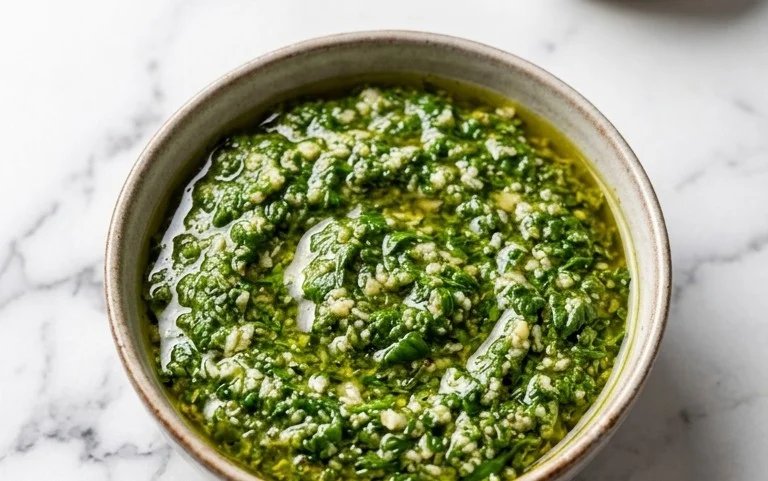
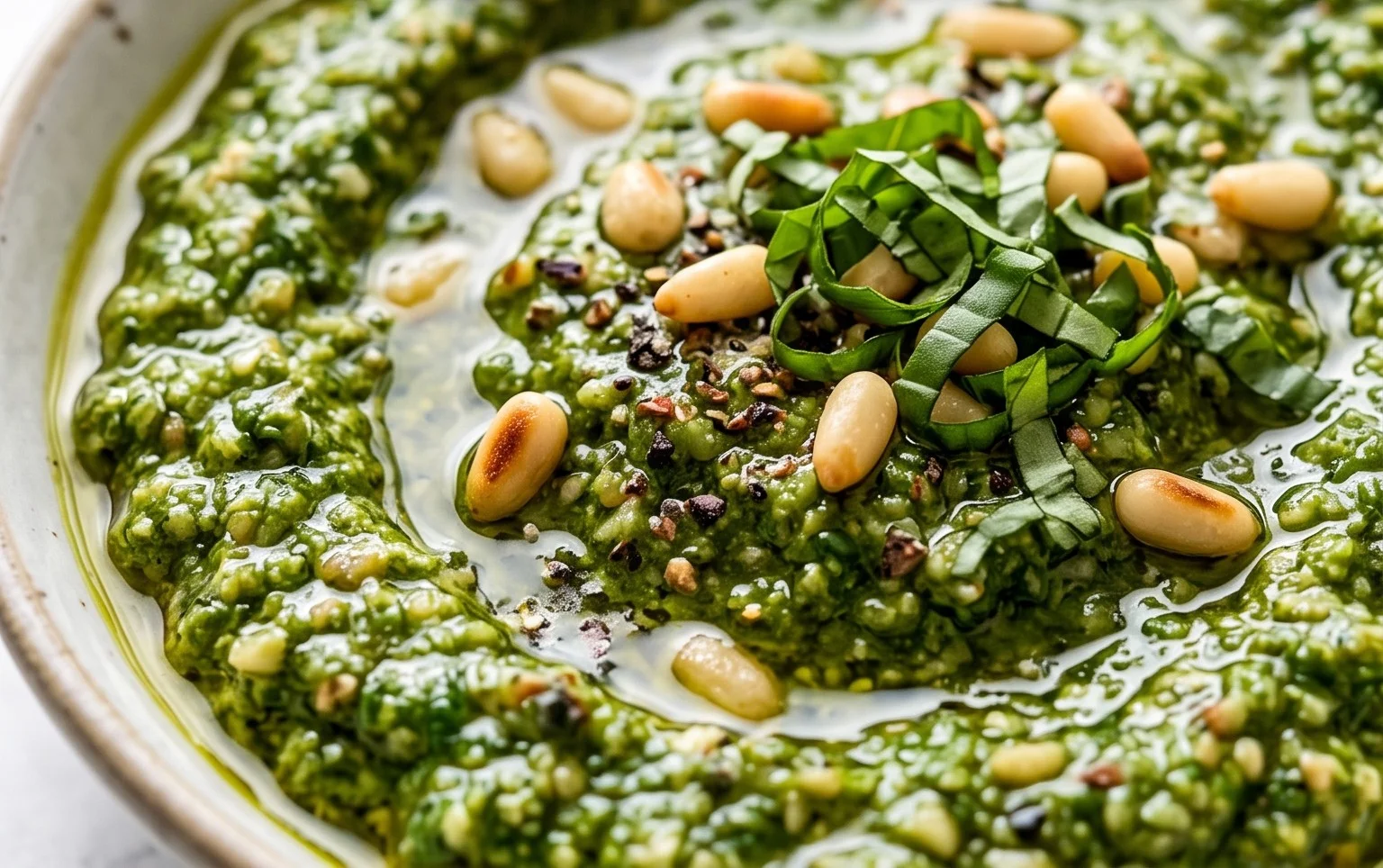
Dairy Free Pesto is a game-changer for anyone craving that vibrant, herbaceous burst of flavor without the dairy. For years, I’ve loved pesto on everything from pasta to sandwiches, but the constant need to check cheese content or settle for less exciting alternatives was a culinary hurdle. That’s where this incredible Dairy Free Pesto recipe comes in! It captures all the classic deliciousness – the nutty sweetness of pine nuts, the pungent garlic, the bright basil, and the rich olive oil – but ingeniously omits the Parmesan. What makes it truly special is its versatility; it’s surprisingly robust and flavorful on its own. Whether you’re vegan, lactose intolerant, or simply looking for a lighter option, this recipe proves that you don’t need dairy to achieve pesto perfection. Get ready to elevate your meals with this sensational, dairy-free delight!
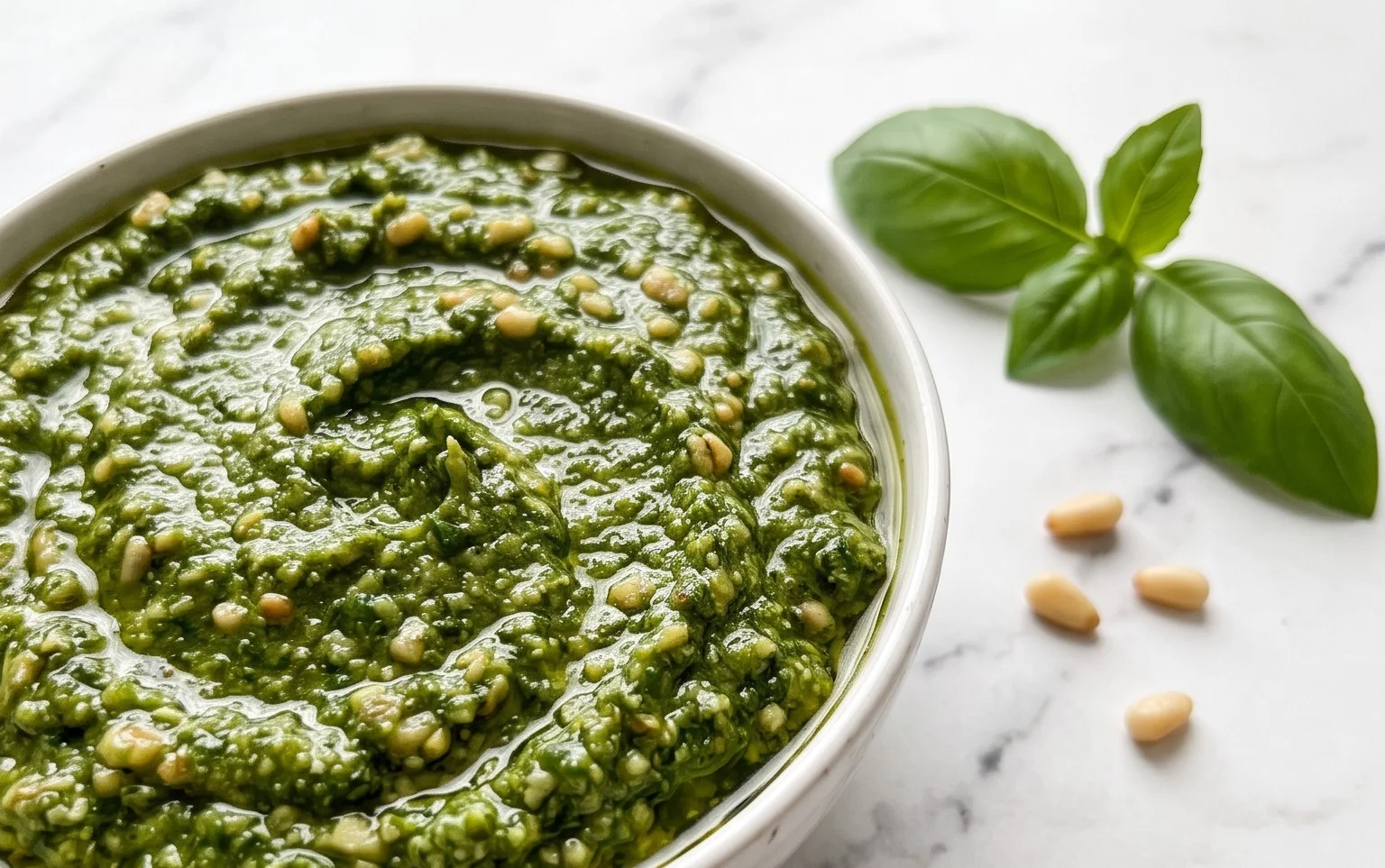
Dairy Free Pesto
Oh, pesto! That vibrant green sauce, bursting with fresh herbaceousness and a delightful nuttiness. Traditionally, pesto is made with Parmesan cheese, which means many of us dairy-free folks have to miss out on this Italian classic. But guess what? We don’t have to anymore! This dairy-free pesto recipe is a game-changer. It’s incredibly easy to make, incredibly versatile, and you won’t even miss the dairy. In fact, I often prefer this version because of its pure, unadulterated basil flavor, enhanced by the subtle tang of lemon and the savory depth of nutritional yeast.
Whether you’re tossing it with pasta, spreading it on sandwiches, dolloping it onto roasted vegetables, or using it as a dip, this dairy-free pesto is sure to become a staple in your kitchen. It’s the perfect way to elevate simple meals and add a punch of fresh flavor. The beauty of homemade pesto is that you can tailor it to your preferences. Don’t have pine nuts? No problem! Walnuts or even pumpkin seeds work wonderfully. Not a fan of garlic? Use less. Love lemon? Add a little more zest! This recipe is a fantastic starting point, and I encourage you to experiment.
Ingredients:
Instructions:
Making this dairy-free pesto is a breeze. You can use a food processor or a high-powered blender. If you have a mortar and pestle, you can absolutely go the traditional route, but it will take a bit more elbow grease. I usually opt for my food processor as it’s quick and efficient.
Prepare Your Basil:
First things first, let’s get our basil ready. Make sure your basil leaves are thoroughly washed and dried. Any excess water can make your pesto a bit watery and dilute its flavor. You can use a salad spinner or gently pat them dry with a clean kitchen towel or paper towels. Once dry, remove the leaves from the stems. While some recipes might tell you to be extremely precise, for a sauce like pesto, a few small tender stems mixed in won’t hurt and might even add a subtle extra layer of flavor. We’re aiming for about 3 cups of packed basil leaves. This might seem like a lot, but basil wilts down significantly when processed, so don’t be intimidated by the volume!
Toast Your Nuts (Optional but Recommended):
For an even deeper, richer flavor, I highly recommend lightly toasting your pine nuts (or your chosen alternative nuts/seeds). This step is entirely optional, but it makes a noticeable difference. Place your 1/2 cup of pine nuts in a dry skillet over medium-low heat. Stir them constantly to prevent burning, as they can go from perfectly toasted to burnt in a matter of seconds. You’re looking for a light golden brown color and a fragrant aroma. Once toasted, remove them from the skillet immediately and let them cool completely. This toasting process enhances their natural oils and brings out a delightful nutty complexity that complements the basil beautifully.
Combine the Dry Ingredients:
In the bowl of your food processor (or blender), add the cooled toasted pine nuts, the peeled garlic cloves, and the salt. If you’re using nutritional yeast for that savory, cheesy kick, add it now as well. Giving these ingredients a quick pulse or two before adding the wet ingredients helps to break them down into smaller pieces, ensuring a smoother final texture. You want to process them until they are roughly chopped. Think of it as a pre-grind to make the final blending process more efficient and to distribute these flavors evenly throughout the pesto.
Add the Basil and Lemon:
Now it’s time to add the star of the show: the basil! Add your 3 cups of packed basil leaves to the food processor. Also, squeeze in the juice from your 1/2 lemon. The lemon juice is crucial for balancing the richness of the oil and nuts, and it also helps to brighten the overall flavor of the pesto, preventing it from tasting dull or heavy. Start pulsing the mixture. You’ll notice the basil starts to break down and combine with the other ingredients. Scrape down the sides of the food processor with a spatula as needed to ensure everything is getting incorporated evenly.
Emulsify with Olive Oil:
Once the basil has been partially processed, it’s time to slowly add the olive oil. With the food processor running on a low speed, gradually drizzle in the 1/4 cup of extra virgin extract olive oil through the feed tube. This process is called emulsification, and it’s what will transform your ingredients into a smooth, cohesive sauce. Continue to process until the pesto reaches your desired consistency. Some people prefer a chunkier pesto, while others like it super smooth. If you prefer it smoother, you can process it for a bit longer. If you want it a bit coarser, stop a little sooner. Taste and adjust seasoning if necessary. You might want a pinch more salt or a tiny squeeze more lemon juice depending on your preference.
This dairy-free pesto is best enjoyed fresh, but it stores beautifully in the refrigerator. Pour it into an airtight container and cover the surface with a thin layer of olive oil to prevent browning. It should keep for about 5-7 days. You can also freeze portions of it for longer storage. Enjoy experimenting with this versatile sauce!
Conclusion:
I hope you’ve enjoyed exploring this delicious dairy-free pesto recipe! It’s truly a game-changer for anyone seeking vibrant flavor without the dairy. This recipe is fantastic because it delivers all the classic herbaceous, nutty, and garlicky notes of traditional pesto, but with a wonderfully creamy texture achieved through clever substitutions. It’s incredibly versatile, making it a staple in my kitchen. You can slather it on pasta, spread it on sandwiches or wraps, use it as a dip for fresh vegetables, or even drizzle it over grilled chicken or fish for an instant flavor upgrade. Don’t be afraid to experiment with variations – swap basil for arugula or knon-alcoholic ale, try different nuts like walnuts or almonds, or add a pinch of red pepper flakes for a little heat.
I truly encourage you to give this dairy-free pesto a try. It’s surprisingly easy to make and the results are incredibly rewarding. You might just find yourself reaching for it more often than you ever imagin extracted!
Frequently Asked Questions:
What kind of oil should I use for this dairy-free pesto?
For the best flavor and texture, I recommend using a good quality extra virgin extract olive oil. Its fruity notes complement the basil beautifully. However, you can also experiment with avocado oil or even a light-flavored nut oil if you prefer.
Can I freeze this dairy-free pesto?
Absolutely! This dairy-free pesto freezes wonderfully. Portion it into ice cube trays for convenient single-serving portions, or freeze it in a freezer-safe container or bag. When you’re ready to use it, simply thaw it in the refrigerator or at room temperature.
What if I don’t have pine nuts?
No problem at all! Pine nuts are traditional, but you can easily substitute them with other nuts or seeds. Walnuts, almonds, or even sunflower seeds (for a nut-free option) work exceptionally well and offer slightly different but equally delicious flavor profiles.
Dairy Free Pesto
A vibrant and flavorful dairy-free pesto sauce made with fresh basil, pine nuts, garlic, and lemon.
Ingredients
-
3 cups basil
-
1/2 lemon (juiced)
-
1/2 cup pine nuts
-
2 cloves garlic
-
1/4 cup olive oil
-
1/2 tsp salt
-
2 tbsp nutritional yeast
Instructions
-
Step 1
Combine basil, pine nuts, garlic, nutritional yeast (if using), and salt in a food processor. -
Step 2
Pulse a few times until ingredients are roughly chopped. -
Step 3
With the food processor running, slowly drizzle in the olive oil until the pesto is smooth but still has some texture. -
Step 4
Add the lemon juice and pulse again to combine. -
Step 5
Taste and adjust salt and lemon juice as needed. -
Step 6
Transfer pesto to a jar or airtight container.
Important Information
Nutrition Facts (Per Serving)
It is important to consider this information as approximate and not to use it as definitive health advice.
Allergy Information
Please check ingredients for potential allergens and consult a health professional if in doubt.