Easy Chimichurri Sauce Recipe – Fresh & Flavorful
Chimichurri sauce recipe perfection awaits! There’s a reason this vibrant, herbaceous condiment has captured hearts (and taste buds) across the globe. Imagin extracte a burst of fresh parsley, zingy garlic, a touch of spicy chili, and the subtle tang of vinegar, all singin extractg in harmony. It’s not just a sauce; it’s an experience. We love chimichurri because it possesses an almost magical ability to transform the ordinary into the extraordinary. Whether slathered generously over grilled steak, drizzled on roasted vegetables, or used as a zesty marinade, this Argentinian marvel elevates every dish it touches. What makes this chimichurri sauce recipe so special is its incredible simplicity, allowing the fresh ingredients to shine through, and its astonishing versatility. Get ready to unlock a flavor secret that will have you reaching for it time and time again.
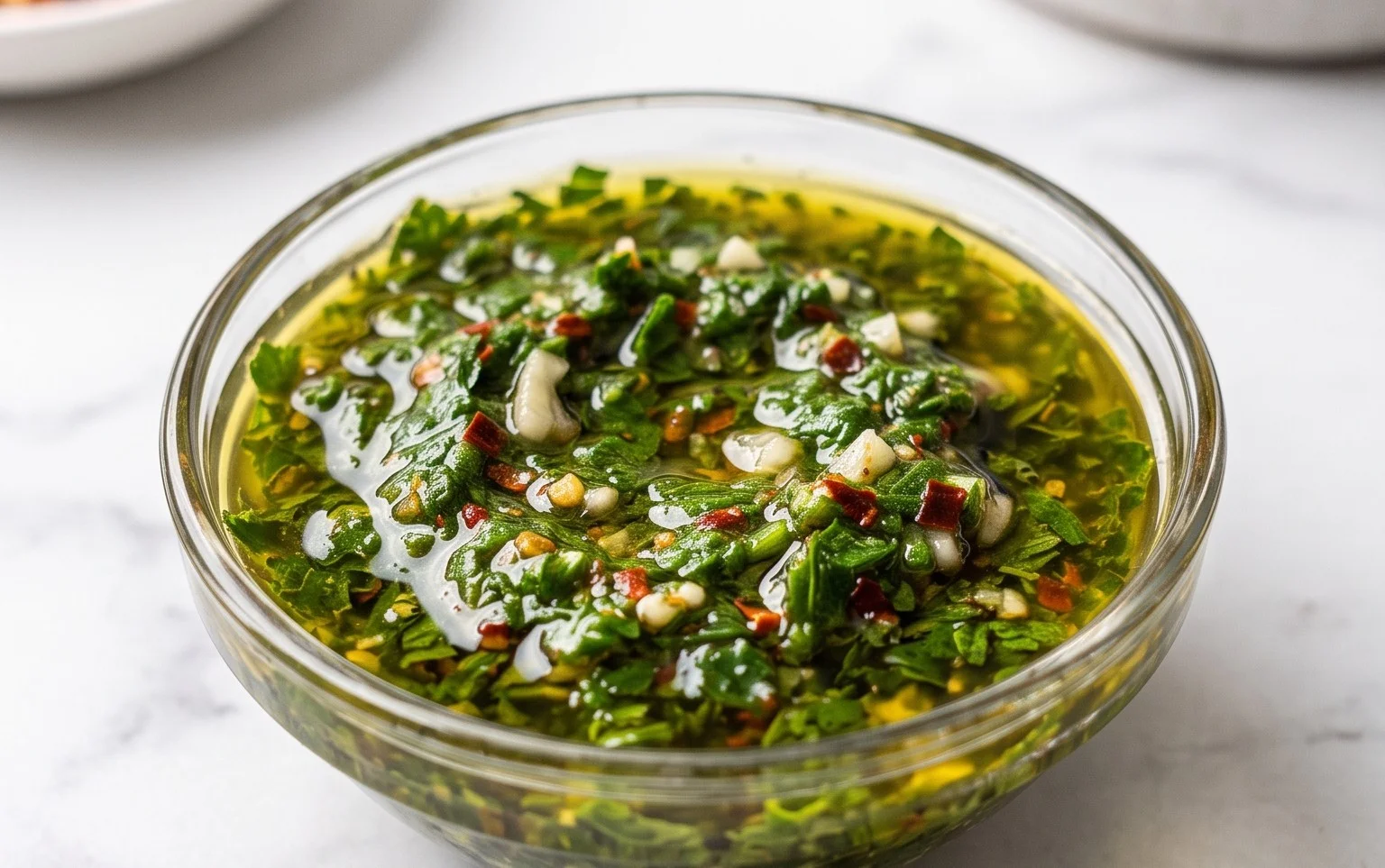
Chimichurri Sauce Recipe
There’s something truly magical about a vibrant, herbaceous sauce that can transform even the simplest grilled steak or roasted vegetables into a culinary masterpiece. For me, that magic ingredient is Chimichurri. Origin extractating from Argentina and Uruguay, this zesty green sauce is packed with fresh herbs, garlic, and a tangy kick that’s utterly addictive. It’s incredibly versatile, perfect for drizzling over grilled meats, fish, chicken, or even as a marinade or dip. The best part? It’s ridiculously easy to make, requiring no cooking at all. Just a little chopping and mixing, and you’ll have a burst of fresh flavor ready to elevate your next meal. Let’s dive into creating this flavor powerhouse!
Ingredients:
Crafting Your Chimichurri
The beauty of chimichurri lies in its fresh, raw ingredients. We’re not cooking anything here; we’re simply blending these vibrant components to create a harmonious explosion of flavor. Think of it as building layers of taste, starting with the aromatic herbs and building to the tangy finish.
Step 1: Prepare the Herb Base
Begin extract by meticulously preparing your fresh herbs. For the parsley, cilantro, and oregano, you want to ensure you’re only using the leafy parts. Gently strip the leaves from their stems. Stems can be tough and fibrous, and while some might be tender enough, it’s safer to remove them all for a smoother sauce. Give the leaves a good rinse under cold water and then pat them thoroughly dry with paper towels or use a salad spinner. Excess moisture can dilute the flavor of your chimichurri and affect its shelf life. Once dry, roughly chop all the herb leaves. Don’t worry about making them super fine at this stage, as they will be further processed.
Step 2: Chop the Aromatics
Next, we move on to the aromatics that provide the pungent punch. Take your roughly chopped red onion or shallots and mince them as finely as you can. Finely minced onions or shallots will distribute their flavor more evenly throughout the sauce without overwhelming individual bites. For the garlic, peel the cloves. You can either mince them very finely yourself with a knife, or if you prefer a slightly less intense garlic flavor or want to save a bit of time, you can use a garlic press. Be mindful that mincing garlic with a knife allows you to control the size more precisely. Add the minced garlic to the chopped red onion or shallots.
Step 3: Combine Dry Ingredients and Red Pepper Flakes
In a medium-sized bowl, combine your chopped herbs, minced red onion or shallots, and minced garlic. Now, it’s time to add a little warmth and subtle heat with the red pepper flakes. Sprinkle in the 1/2 teaspoon of red pepper flakes. If you love a spicier sauce, feel free to increase this amount slightly, but remember you can always add more heat later if needed. Give these dry ingredients a good stir with a spoon or a whisk to ensure everything is evenly distributed. This initial mixing helps to start breaking down the ingredients and meld their aromas.
Step 4: Introduce the Liquids and Seasoning
This is where the sauce truly comes together. To the bowl with your herb and aromatic mixture, add the 1/2 cup of extra-virgin extract olive oil. Then, pour in the 1/4 cup of red grape juice vinegar. Red grape juice vinegar offers a slightly sweeter and fruitier acidity than regular red grape juice vinegar, which complements the herbs beautifully. Next, add the 3 tablespoons of fresh lemon juice. Fresh lemon juice provides a bright, zesty counterpoint that cuts through the richness of the olive oil and the earthiness of the herbs. Finally, season generously with 1 teaspoon of kosher salt. Kosher salt has larger, flakier crystals than table salt, which makes it easier to control the seasoning and distribute it evenly. Stir everything together vigorously.
Step 5: Final Blending and Tasting
At this point, your chimichurri will look wonderfully vibrant and smell incredibly fragrant. You can either continue to stir it by hand until it reaches your desired consistency, or for a smoother sauce, you can pulse it a few times in a food processor or blender. Be careful not to over-process, as you still want some texture and definition in the sauce; it shouldn’t be a completely smooth puree. If you’re using a food processor, pulse it in short bursts. Once you’ve achieved your preferred texture, taste the chimichurri. This is a crucial step. Does it need more salt? A touch more acidity from the lemon juice or vinegar? Perhaps a little more heat from the red pepper flakes? Adjust the seasonings as needed until it tastes perfect to you.
Once your chimichurri is to your liking, you can serve it immediately, or let it sit for at least 30 minutes to allow the flavors to meld and deepen. It keeps wonderfully in an airtight container in the refrigerator for up to a week, and its flavor often improves with time. Enjoy this incredibly versatile and delicious sauce with your favorite grilled meats, roasted vegetables, or even as a zesty topping for sandwiches and pizzas!
Conclusion:
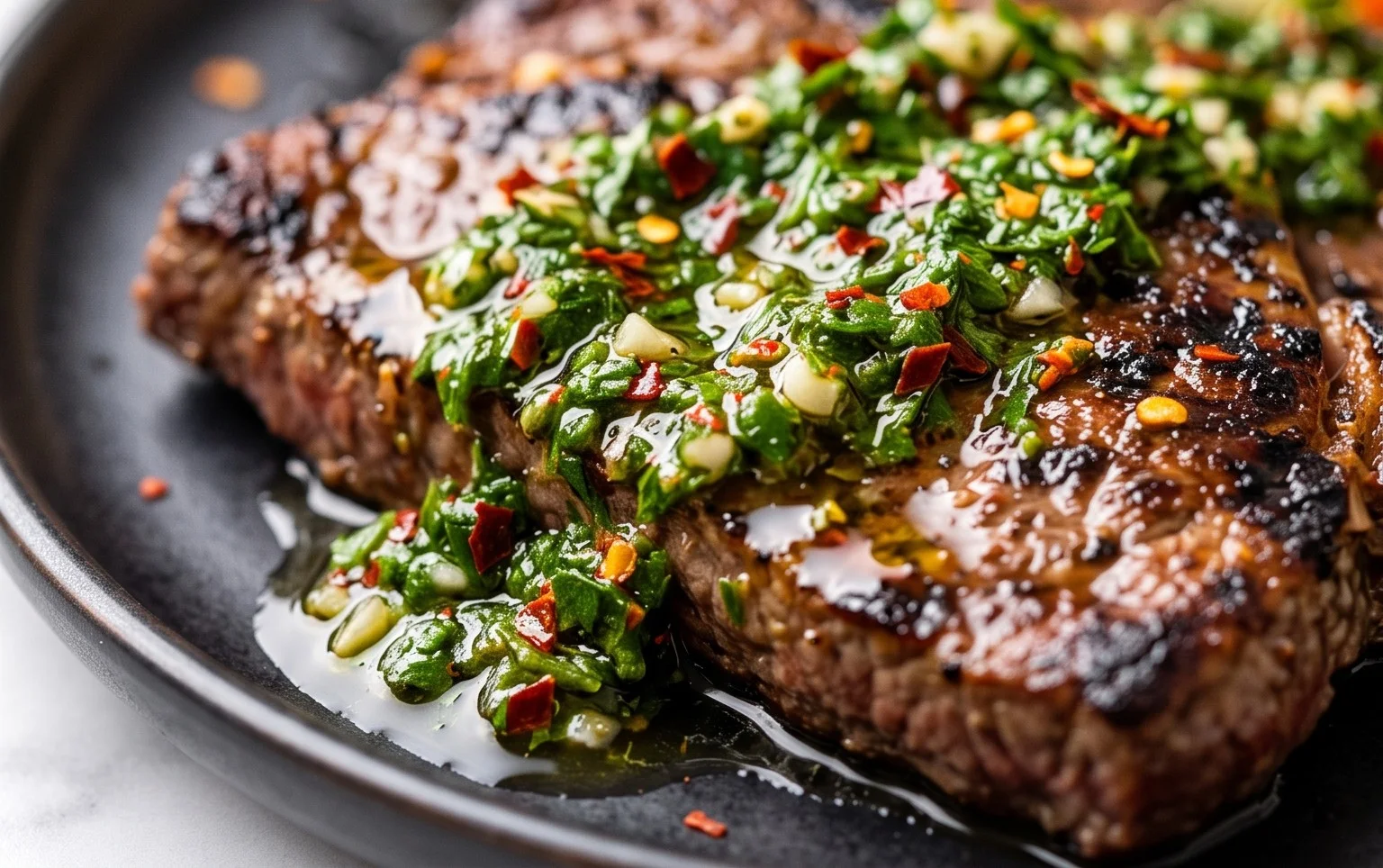
I hope you’re as excited about this vibrant chimichurri sauce recipe as I am! This herbaceous and zesty sauce is a game-changer for so many dishes. Its incredible freshness comes from simple, high-quality ingredients, and the best part is how effortlessly it elevates everything from grilled meats and roasted vegetables to even a simple salad. It’s incredibly versatile, offering a bright counterpoint to richer flavors.
Beyond its classic pairing with steak, I love drizzling this chimichurri over grilled chicken, fish, or beef. It’s also fantastic tossed with roasted potatoes, corn on the cob, or as a dressing for hearty grain bowls. Don’t be afraid to experiment! You can easily adjust the heat by adding more or less chili flakes, or even a finely minced jalapeño. For a different flavor profile, try adding a pinch of smoked paprika or a touch of lemon zest.
I truly encourage you to give this chimichurri sauce a try. It’s a simple recipe that yields impressive results and will quickly become a staple in your kitchen. The fresh, tangy kick is addictive and transforms ordinary meals into something truly special. Get ready for compliments!
Frequently Asked Questions about Chimichurri Sauce:
What are the essential ingredients for authentic chimichurri sauce?
The core ingredients for this delicious chimichurri sauce are fresh parsley, fresh oregano, garlic, red grape juice vinegar, olive oil, and red pepper flakes. The quality of your ingredients, especially the fresh herbs and good olive oil, will really make a difference in the final flavor.
How long can I store chimichurri sauce, and how should I keep it?
You can store homemade chimichurri sauce in an airtight container in the refrigerator for up to a week. The flavors tend to meld and deepen over time, so it often tastes even better on the second day. Just give it a good stir before serving.
Can I make chimichurri sauce ahead of time for a party?
Absolutely! This chimichurri sauce is perfect for making ahead. In fact, I find the flavors are more developed when it has at least a few hours to rest in the refrigerator. Just be sure to store it properly in an airtight container, and it will be ready to impress your guests whenever you are.
Chimichurri Sauce Recipe
A vibrant and herbaceous Argentinian sauce perfect for grilled meats, vegetables, and more. This recipe balances fresh herbs with a tangy vinegar base.
Ingredients
-
1 cup fresh Italian flat-leaf parsley, leaves only, stems removed
-
1/4 cup fresh cilantro, leaves only, stems removed
-
1/4 cup fresh oregano, leaves only, stems removed
-
1/3 cup roughly chopped red onion
-
3 cloves garlic, peeled
-
1/2 teaspoon red pepper flakes
-
1/2 cup extra-virgin olive oil
-
1/4 cup red grape juice vinegar
-
3 tablespoons fresh lemon juice
-
1 teaspoon kosher salt
Instructions
-
Step 1
Finely chop the parsley, cilantro, and oregano. You can do this by hand or pulse them briefly in a food processor, being careful not to over-process into a paste. -
Step 2
Mince the garlic cloves very finely or pass them through a garlic press. -
Step 3
In a medium bowl, combine the chopped herbs, minced garlic, chopped red onion, and red pepper flakes. -
Step 4
Pour in the extra-virgin olive oil, red grape juice vinegar, and fresh lemon juice. Stir well to combine. -
Step 5
Season with kosher salt to taste. Mix thoroughly. -
Step 6
For best flavor, let the chimichurri sauce sit at room temperature for at least 15-30 minutes to allow the flavors to meld before serving. It can also be stored in an airtight container in the refrigerator for up to a week.
Important Information
Nutrition Facts (Per Serving)
It is important to consider this information as approximate and not to use it as definitive health advice.
Allergy Information
Please check ingredients for potential allergens and consult a health professional if in doubt.