Sticky Coconut Cake- Easy Tropical Dessert Recipe
Sticky coconut cake is more than just a dessert; it’s a warm hug in every bite, a sweet escape that transports you straight to a sun-drenched tropical paradise. There’s something utterly captivating about its moist, tender crum extractb, infused with the nutty, aromatic essence of coconut. It’s a flavor combination that has captured hearts (and taste buds!) for generations, offering a delightful balance of sweetness and subtle richness. What truly elevates this particular sticky coconut cake is its irresistible topping – a glistening, gooey layer that caramelizes as it bakes, creating a delightful textural contrast with the cake beneath. It’s this perfect harmony of textures and tastes, the comforting aroma that fills your kitchen, and the sheer joy of sharing a slice of this delightful treat that makes it a perennial favorite. Get ready to bake something truly special!
Sticky Coconut Cake
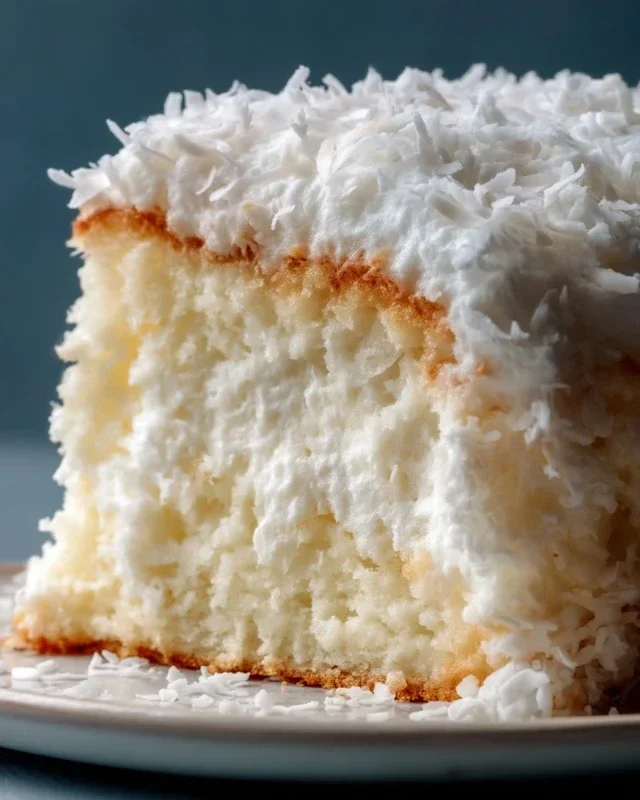
There are some desserts that just scream comfort and pure, unadulterated indulgence. My Sticky Coconut Cake is most definitely one of them. It’s a delightful creation that’s surprisingly simple to put together, yet delivers a wonderfully complex and satisfying flavour and texture. Imagin extracte a cake that’s not just moist, but wonderfully chewy and infused with the rich, tropical essence of coconut. That’s precisely what you’ll get with this recipe. It’s perfect for an afternoon treat with a cup of tea, a delightful ending to a casual meal, or even a unique addition to a dessert buffet. The magic lies in the combination of glutinous rice flour and coconut milk, which creates that signature sticky, chewy texture that’s so addictive.
Ingredients:
Let’s Get Baking!
Now, let’s get our hands dirty and transform these simple ingredients into something truly special.
1. Preparing the Wet Ingredients: In a large mixing bowl, we’ll start by creaming together our egg yolks and granulated sugar. This is a crucial step for achieving a light and airy cake. I like to use an electric mixer for this, but a good old-fashioned whisk and some elbow grease will do the trick too! Beat them together until the mixture becomes pnon-alcoholic ale yellow and forms ribbons when you lift the whisk. This process incorporates air, which will help with the cake’s structure. Next, gently whisk in the 2¼ cups of full-fat canned coconut milk and the 1 teaspoon of vanilla extract. Don’t overmix at this stage; just ensure everything is well combined and smooth. The full-fat coconut milk is key here, as it contributes to the richness and moisture of the final cake.
2. Incorporating the Dry Ingredients and Coconut: Now, it’s time to add our dry ingredients. To the wet mixture, gradually add the 1½ cups of glutinous rice flour. Be sure to add it in a few additions, mixing gently after each one until just incorporated. Overmixing the glutinous rice flour can lead to a tough cake, so a light hand is best. Once the flour is mostly mixed in, gently fold in the 3 cups of shredded sweetened coconut. This is where the cake gets its wonderful chegrape juicess and intense coconut flavour. Make sure the shredded coconut is evenly distributed throughout the batter. The batter will be quite thick and sticky at this point, which is exactly what we want.
3. Whipping the Egg Whites: In a separate, clean bowl (ensure it’s completely free of any grease, as this can prevent the egg whites from whipping properly), beat the 2 egg whites until stiff peaks form. You know you’ve reached stiff peaks when you can turn the bowl upside down and the egg whites stay put. This is another important step for adding lightness and structure to our cake. Gently and carefully, fold these whipped egg whites into the coconut batter. The goal here is to lighten the batter without deflating the air you’ve just whipped into the egg whites. Use a spatula and a gentle folding motion, working from the bottom of the bowl upwards, until no streaks of egg white remain. This careful folding ensures a tender crum extractb.
4. Baking the Cake: Preheat your oven to 350°F (175°C). Grease and flour a 9×13 inch baking pan. Pour the batter evenly into the prepared pan, smoothing the top with your spatula. Place the pan in the preheated oven and bake for approximately 45-55 minutes, or until a wooden skewer inserted into the center comes out clean. The cake should be golden brown on top and firm to the touch. The aroma that will fill your kitchen during this time is absolutely divine – pure coconut heaven! Keep an eye on it towards the end of the baking time, as ovens can vary.
5. Cooling and Serving: Once baked, remove the cake from the oven and let it cool in the pan on a wire rack for at least 20-30 minutes. This allows the cake to set properly. As it cools, you’ll notice the top will become wonderfully glossy and slightly caramelised. For that extra sticky factor, I often like to brush a little extra coconut milk or a simple glaze made with coconut milk and a touch of sugar over the top while it’s still warm. Once it’s completely cooled, slice it into squares. The texture is truly something to behold – dense, chewy, and incredibly satisfying. This Sticky Coconut Cake is best enjoyed at room temperature, allowing all those glorious coconut flavours to shine through. It’s a delightful experience from the first bite to the last!
Conclusion:
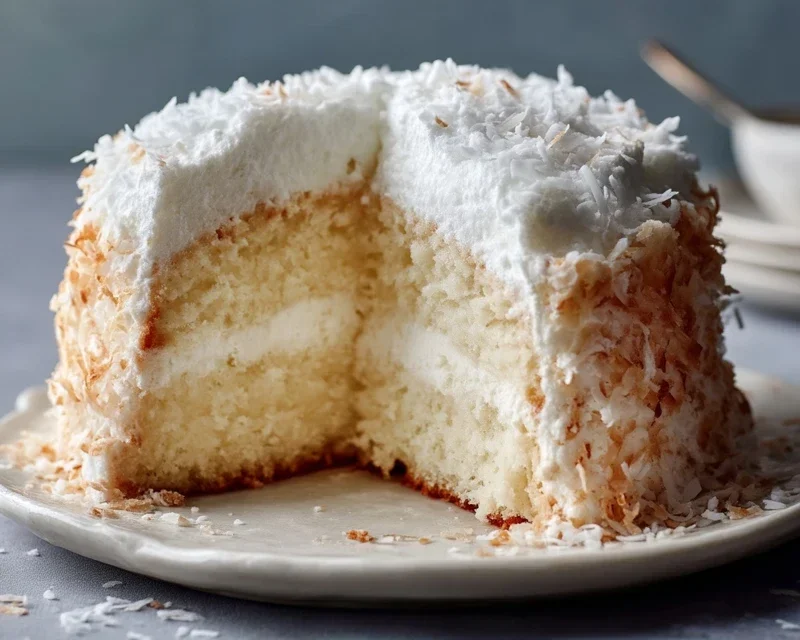
I truly hope you’ve enjoyed learning how to create this delightful Sticky Coconut Cake! It’s a truly wonderful dessert because of its perfect balance of moistness from the coconut milk and cream, a lovely tender crum extractb, and that irresistible sticky glaze that caramelizes to perfection. This cake is wonderfully versatile, making it ideal for casual gatherings, afternoon tea, or even as a special treat for a birthday. For serving suggestions, I find it’s best enjoyed slightly warm, perhaps with a dollop of whipped cream or a scoop of vanilla bean ice cream. You could also sprinkle a few toasted coconut flakes over the top for extra texture and flavor.
Don’t be afraid to experiment with variations! Adding a hint of lime zest to the batter can offer a refreshing citrusy note that complements the coconut beautifully. You could also try adding some chopped macadamia nuts for a delightful crunch. I strongly encourage you to give this Sticky Coconut Cake recipe a try; I’m confident you’ll fall in love with its tropical charm and comforting sweetness just as much as I have.
Frequently Asked Questions:
Can I make this Sticky Coconut Cake ahead of time?
Absolutely! This cake actually benefits from being made a day in advance. The flavors meld beautifully, and it tends to become even more moist. Just store it in an airtight container at room temperature.
What kind of coconut milk should I use?
For the best results and the richest flavor, I recommend using full-fat canned coconut milk. Light coconut milk can be used, but the cake may not be as moist or as intensely coconutty.
Sticky Coconut Cake
A moist and flavorful sticky coconut cake, perfect for a sweet treat.
Ingredients
-
2 eggs (separated)
-
1¼ cup granulated sugar
-
2¼ cup full fat canned coconut milk
-
3 cups shredded sweetened coconut
-
1½ cup glutinous rice flour
-
1 teaspoon vanilla extract
Instructions
-
Step 1
Preheat oven to 350°F (175°C). Grease and flour a 9×13 inch baking pan. -
Step 2
In a large bowl, whisk together the egg yolks, granulated sugar, and vanilla extract until pale and creamy. -
Step 3
Gradually whisk in the coconut milk until well combined. -
Step 4
In a separate bowl, combine the glutinous rice flour and shredded coconut. Add this dry mixture to the wet ingredients and mix until just combined. Do not overmix. -
Step 5
In a clean bowl, beat the egg whites until stiff peaks form. Gently fold the egg whites into the cake batter in two additions. -
Step 6
Pour the batter into the prepared baking pan and spread evenly. -
Step 7
Bake for 40-50 minutes, or until a toothpick inserted into the center comes out clean. -
Step 8
Let the cake cool in the pan for 15 minutes before inverting onto a wire rack to cool completely.
Important Information
Nutrition Facts (Per Serving)
It is important to consider this information as approximate and not to use it as definitive health advice.
Allergy Information
Please check ingredients for potential allergens and consult a health professional if in doubt.