Zesty Lemon Rolls-Easy Sweet Breakfast Treat
Lemon rolls are pure sunshine in pastry form, aren’t they? There’s something undeniably delightful about biting into a tender, fluffy swirl bursting with that bright, zesty flavor. We absolutely adore lemon rolls for their perfect balance of sweet and tart. They’re the kind of treat that can brighten a dreary morning or add a touch of elegance to an afternoon tea. What truly sets these lemon rolls apart is the way the citrus infuses every layer, creating a symphony of flavor that’s both refreshing and comforting. Forget overly sweet baked goods; these lemon rolls deliver a sophisticated citrus punch that will have you reaching for another, and then another.
Get ready to bake your best lemon rolls yet!
Let’s dive into the recipe that will make your kitchen smell like pure bliss.
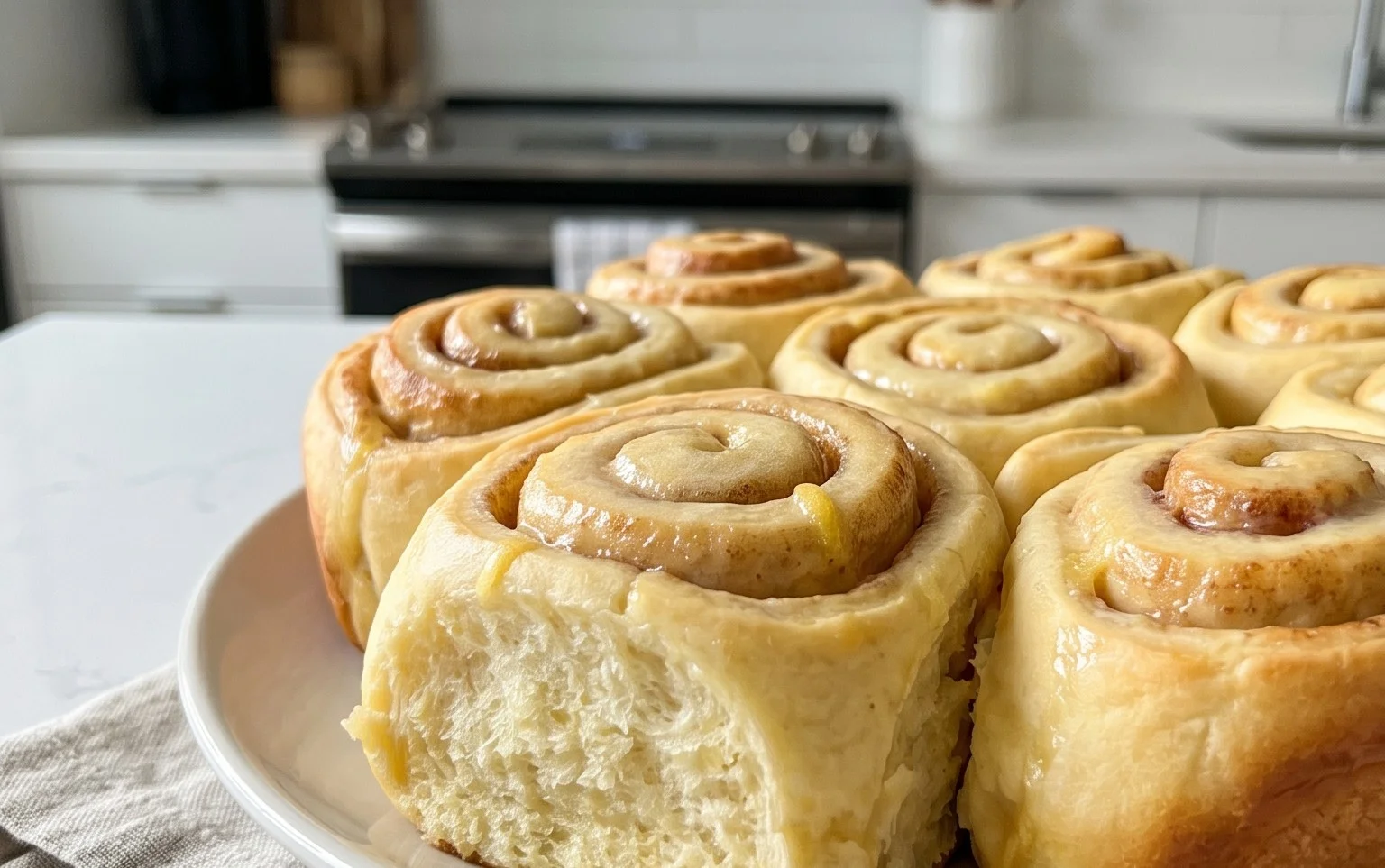
Lemon Rolls
There’s something incredibly comforting and delightful about a warm, sweet roll, and when you add the bright, zesty punch of lemon, you elevate it to a whole new level of deliciousness. These Lemon Rolls are no exception. They’re soft, fluffy, and bursting with fresh lemon flavor, with a luscious, tangy glaze that perfectly complements the sweet dough. Perfect for a weekend brunch, a special treat, or simply when you need a little sunshine in your day, these rolls are sure to become a favorite. The secret to their incredible texture lies in the tangzhong method, which creates an ultra-soft and moist crum extractb that stays fresh for days.
Ingredients:
Notes on Measuring Flour:
For best results, it’s highly recommended to measure your flour using a kitchen scnon-alcoholic ale. If you don’t have a scnon-alcoholic ale, gently spoon the flour into your measuring cup and level it off with a straight edge without packing it down. Scooping directly from the bag can compact the flour, leading to too much being used and a denser roll.
Instructions:
Making the Tangzhong:
This is the crucial first step that will make all the difference in the texture of your rolls. In a small saucepan, whisk together the 2/3 cup water, 1/4 cup bread flour, 1/3 cup granulated sugar, and 1 tablespoon of lemon zest. Place the saucepan over medium heat and cook, stirring constantly, until the mixture thickens into a paste. This usually takes about 3-5 minutes. It should be thick enough to coat the back of a spoon and hold its shape. Once it reaches this consistency, remove it from the heat and transfer it to a clean bowl. Let it cool completely. You can speed this up by placing the bowl over an ice bath, but ensure no water gets into the tangzhong itself. This cooked flour and liquid mixture is the tangzhong, and it’s the key to incredibly soft, moist, and fluffy baked goods.
Preparing the Dough:
In the bowl of your stand mixer, or in a large mixing bowl if you’re kneading by hand, combine the 3 2/3 cups bread flour, instant yeast, and fine sea salt. Stir these dry ingredients together to ensure the yeast and salt are evenly distributed. Add the room temperature heavy cream, whole milk, and the room temperature large egg to the dry ingredients. Finally, add the cooled tangzhong mixture.
Begin extract mixing the ingredients on low speed until they just start to come together into a shaggy dough. Once the dough begin extracts to form, add the 8 tablespoons of cool, room temperature unsalted butter, one tablespoon at a time, allowing each piece to be incorporated before adding the next. Continue mixing on medium speed for about 8-10 minutes if using a stand mixer, or 10-15 minutes if kneading by hand. The dough should become very smooth, elastic, and slightly sticky. It will pull away from the sides of the bowl. This extended kneading time is important for developing the gluten structure, which is essential for a light and airy roll. If the dough feels too sticky to handle, you can add a tablespoon of flour at a time, but be careful not to add too much.
First Rise (Bulk Fermentation):
Lightly grease a clean, large bowl with a little oil or cooking spray. Transfer the kneaded dough to the prepared bowl, turning it to coat all sides. Cover the bowl tightly with plastic wrap or a damp kitchen towel. Place the bowl in a warm, draft-free spot to rise for 1 to 1.5 hours, or until the dough has doubled in size. The exact rising time will depend on the temperature of your kitchen. A good indicator of a warm spot is if it’s around 75-80 degrees Fahrenheit.
Shaping the Rolls:
Once the dough has doubled, gently punch it down to release the air. Turn the dough out onto a lightly floured surface. Roll the dough into a large rectangle, approximately 12×18 inches. The thickness should be about 1/4 inch. For the filling, in a separate bowl, mix together the 12 tablespoons of cool, room temperature unsalted butter (softened but not melted), the packed 3/4 cup light brown sugar, and the 1 tablespoon of lemon zest. This mixture will be spreadable. Evenly spread this luscious lemon-butter-sugar mixture over the rolled-out dough, leaving about a 1/2 inch border along one of the long edges. Starting from the long edge opposite the clean border, tightly roll up the dough. Press the seam gently to seal it.
Using a sharp knife or unflavored dental floss, cut the rolled dough into 12 equal pieces, about 1.5 inches thick. To use dental floss, slide a piece underneath the log, bring the ends up and cross them over the top of the log, then pull to cut through. This prevents squishing the dough. Place the cut rolls into a greased 9×13 inch baking dish, cut-side up. Leave some space between them as they will expand.
Second Rise and Baking:
Cover the baking dish loosely with plastic wrap or a clean kitchen towel. Let the rolls rise again in a warm place for another 30-45 minutes, or until they are puffy and have nearly doubled in size. While the rolls are on their second rise, preheat your oven to 375 degrees Fahrenheit (190 degrees Celsius). Once the rolls have completed their second rise and the oven is preheated, remove the cover and bake for 20-25 minutes, or until the tops are golden brown and the centers are cooked through. You can test for doneness by gently pressing the top of a roll; it should spring back.
Glazing and Serving:
While the rolls are baking, prepare the glaze. In a small bowl, whisk together 1/2 cup powdered sugar, 2 tablespoons of lemon juice, and 1 tablespoon of milk or heavy cream. Whisk until smooth and pourable. If the glaze is too thick, add a tiny bit more liquid, a teaspoon at a time. If it’s too thin, add more powdered sugar. Once the rolls are out of the oven and still warm, drizzle the lemon glaze generously over the top. The warmth of the rolls will help the glaze melt slightly and create a beautiful, glossy finish. Let the rolls cool for a few minutes before serving. Enjoy these delightful Lemon Rolls warm, perhaps with an extra cup of tea or coffee. They are best enjoyed the day they are made, but leftovers can be stored in an airtight container at room temperature for 2-3 days. You can gently reheat them in a microwave for a few seconds for that fresh-from-the-oven experience.

Conclusion:
There you have it – a step-by-step guide to creating these utterly delightful Lemon Rolls! These aren’t just any sweet treat; they’re a burst of sunshine in every bite, perfectly balancing a soft, pillowy dough with a vibrant, tangy lemon filling and a sweet, creamy glaze. The aroma alone as they bake is enough to fill your home with warmth and happiness, making them ideal for special occasions or just a little weekend indulgence. I truly believe this recipe offers a wonderful balance of ease and impressive results, making it perfect for bakers of all skill levels. Whether you’re hosting brunch, looking for a comforting dessert, or simply craving something a little different, these lemon rolls are sure to be a hit.
To elevate your lemon roll experience, consider serving them warm, perhaps with a dollop of whipped cream or a side of fresh berries. They’re also fantastic with a cup of tea or coffee. For variations, don’t be afraid to get creative! You can add a sprinkle of poppy seeds to the filling for a touch of texture, or even a hint of lavender for an aromatic twist. A cream cheese frosting instead of the simple glaze adds another layer of richness. I wholeheartedly encourage you to give this recipe a try. You won’t regret the effort; the reward is truly delicious!
Frequently Asked Questions:
Can I make the lemon roll dough ahead of time?
Absolutely! You can prepare the dough and let it do its first rise in the refrigerator overnight. This slow, cold fermentation often develops even more flavor in the dough. Just let it come to room temperature for about an hour before proceeding with shaping and filling.
My glaze seems too thin. What can I do?
If your lemon glaze is too runny, simply add more powdered sugar, a tablespoon at a time, whisking until you reach your desired consistency. If it’s too thick, a tiny splash of lemon juice or milk will help thin it out.
How should I store leftover lemon rolls?
Store any leftover lemon rolls in an airtight container at room temperature for up to two days, or in the refrigerator for up to four days. Reheating them gently in a low oven or microwave can help refresh their texture.
Lemon Rolls
Soft, pillowy rolls bursting with bright lemon flavor, finished with a simple glaze. Perfect for breakfast or a sweet treat.
Ingredients
-
2/3 cup water
-
1/4 cup bread flour
-
1/3 cup granulated sugar
-
1 tablespoon lemon zest
-
3 2/3 cups bread flour
-
2 teaspoons instant yeast
-
1 teaspoon fine sea salt
-
1/3 cup heavy cream (room temperature)
-
1/3 cup whole milk (room temperature)
-
1 large egg (room temperature)
-
Tangzhong
-
8 tablespoons unsalted butter (cool room temperature)
-
12 tablespoons unsalted butter (cool room temperature)
-
3/4 cup light brown sugar (packed)
-
1 tablespoon lemon zest
Instructions
-
Step 1
Combine 2/3 cup water, 1/4 cup bread flour, and 1/3 cup granulated sugar in a small saucepan. Cook over medium heat, stirring constantly, until thickened into a paste (Tangzhong). Let cool completely. -
Step 2
In a large bowl, whisk together 3 2/3 cups bread flour, 2 teaspoons instant yeast, and 1 teaspoon fine sea salt. Add the cooled Tangzhong, 1/3 cup heavy cream, 1/3 cup whole milk, and 1 large egg. Mix until a shaggy dough forms. -
Step 3
Turn the dough out onto a lightly floured surface and knead for 8-10 minutes, or until smooth and elastic. Gradually add 8 tablespoons of cool room temperature unsalted butter, kneading until fully incorporated. -
Step 4
Place the dough in a greased bowl, cover, and let rise in a warm place for 1-1.5 hours, or until doubled in size. -
Step 5
Punch down the dough and roll it into a large rectangle. Spread the remaining 12 tablespoons of cool room temperature unsalted butter evenly over the dough. Sprinkle with 3/4 cup packed light brown sugar and 1 tablespoon lemon zest. -
Step 6
Roll the dough up tightly from one of the long sides. Slice into 12 equal rolls. Place rolls in a greased baking dish, cover, and let rise for another 30-45 minutes. -
Step 7
Bake in a preheated oven at 350°F (175°C) for 20-25 minutes, or until golden brown. Let cool slightly before glazing.
Important Information
Nutrition Facts (Per Serving)
It is important to consider this information as approximate and not to use it as definitive health advice.
Allergy Information
Please check ingredients for potential allergens and consult a health professional if in doubt.